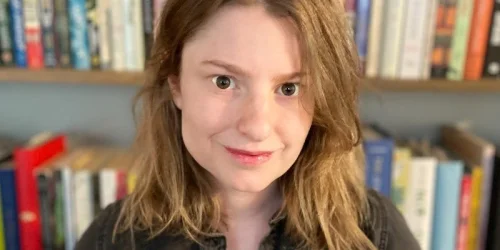
A 39-year-old public relations professional has more than doubled her total retirement savings in a single year after finally committing to her 401(k) plan, following what she describes as nearly two decades of "haphazard, chaotic, and borderline nonexistent" retirement planning. The woman, who works at a B2B PR agency, is now contributing the maximum annual amount to her employer-sponsored account.
Her financial journey began at age 22 with a TIAA retirement account while working for PBS. Over an 18-year career spanning roles at a PR agency, Redbox, and a six-year stint as a startup founder, she repeatedly failed to enrol in or prioritise workplace retirement schemes. This has left her with multiple, underfunded accounts from different providers, including TIAA and Fidelity, causing confusion and contributing to a state of "retirement planning paralysis."
A Career of Avoidance
The professional admits to a history of avoiding long-term planning, a mindset she applied to both retirement savings and personal decisions like freezing her eggs. "Today is the only day that is promised," she stated, explaining that planning for the future felt "presumptuous" and was easy to defer in her 20s and 30s. The financial pressures of founding a tech startup during the pandemic further halted any savings efforts.
Now, with her 40th birthday approaching, she recognises her past behaviour as "riddled with excuses and justifications." A pivotal realisation was that "just because I don't know how things will turn out doesn't mean I can't plan for future me." This shift in perspective prompted her to begin maximising her 401(k) contributions at her current job.
The Next Financial Hurdle
Despite this progress, a significant administrative challenge remains: consolidating at least two or three disparate retirement accounts from previous employers. She acknowledges that 401(k) accounts can be rolled over but confesses to a continued struggle with motivation, calling it her "next big hurdle."
To move forward, she has taken concrete steps to break the cycle of paralysis. She has written about her experience to confront it publicly and has scheduled a meeting with a financial advisor for the coming week. Furthermore, she is discussing her retirement anxiety with friends, finding that "admitting I'm overwhelmed doesn't make me a failure; it makes me honest."
Two Visions of the Future
When looking ahead, she holds two contrasting visions. Optimistically, she imagines retiring in her late 60s to a life of travel, hiking, volunteering, and reading in a secluded cabin. More realistically, however, she fears working into her 70s out of financial necessity, joining a growing demographic of older Americans unable to afford retirement.
Her current sentiment is captured by a line from Joni Mitchell: "It's got me hoping for the future and worrying about the past." While she regrets past financial choices, she is now actively addressing them, marking a definitive turn from years of avoidance to a new phase of engagement with her long-term financial security.