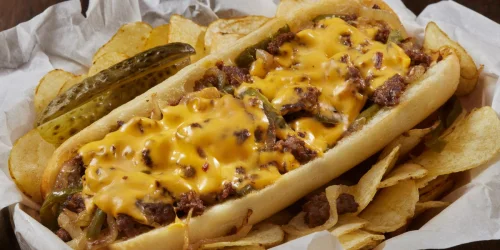
Every state in America, from Alabama to Wyoming, has developed its own iconic sandwich, a culinary emblem celebrated by locals and sought out by visitors. These dishes, compiled from a Business Insider report, are more than just meals; they are edible pieces of regional history and culture, often tied to local produce, immigrant traditions, or a single famous eatery.
The list reveals a diverse gastronomic landscape, from Alabama's chicken slathered in distinctive white barbecue sauce to Wyoming's bison meatball sandwich. The creation of these signature items spans decades, with some, like the Katz's Delicatessen pastrami sandwich in New York, tracing their fame back to the 19th century.
East Coast Classics and Southern Staples
New England is defined by its seafood. Maine's lobster roll, served on a grilled bun with buttered lobster, is a summer staple, while Maryland's crab cake sandwich showcases the state's famed crustaceans. Further south, Florida's Cuban sandwich—a pressed creation of ham, roasted pork, Swiss cheese, pickles, and mustard—reflects the state's cultural ties.
In New York City, the iconic pastrami sandwich from Katz's Delicatessen reigns supreme. The deli, opened in 1888, gained further notoriety from its feature in the 1989 film "When Harry Met Sally," home to the famous "I'll have what she's having" scene. Pennsylvania, of course, is synonymous with the Philly cheesesteak, a simple yet beloved combination of thinly sliced steak and cheese on a roll.
Midwestern Innovations and Heartland Favourites
The Midwest offers hearty, inventive fare. Illinois is known for the Horseshoe, an open-faced sandwich topped with fries and cheese sauce, while Minnesota claims the Jucy Lucy, a burger with cheese stuffed inside the patty. Indiana stakes its claim on the breaded pork tenderloin sandwich, and Wisconsin's German heritage shines through in its bratwurst rolls served with sauerkraut and cheese curds.
Ohio's Polish Boy, a Cleveland native, is a substantial sandwich featuring kielbasa sausage topped with fries, coleslaw, and sauce. In Missouri, the Gerber sandwich—an open-faced creation with ham, provolone, and garlic butter on toasted French bread—is a local favourite.
Western Specialties and Unique Creations
The West and Southwest highlight local ingredients. New Mexico's green chile cheeseburger adds a signature kick, and California, despite the French Dip's origins there, is celebrated for sandwiches featuring its abundant avocados. Utah's pastrami burger, topped with a quarter-pound of pastrami and special sauce, originated at Crown Burgers in Salt Lake City.
Some sandwiches tell unique stories. Massachusetts' Fluffernutter, made with peanut butter and marshmallow Fluff invented in Somerville, is a nostalgic treat. Nebraska's Runza, a bread pocket filled with beef and cabbage, was brought by German immigrants. Tennessee is home to the Peanut Butter, Banana, and Bacon sandwich, famously favoured by Elvis Presley.
Cultural Heritage and Lasting Appeal
Many sandwiches are direct results of immigrant communities. The Vietnamese bánh mì, popular in Washington State, and the Scandinavian-inspired open-faced Smørbrød in North Dakota are prime examples. Others, like Georgia's fried chicken sandwich—the original home of Chick-fil-A—are tied to corporate origins that became cultural phenomena.
The enduring appeal of these sandwiches lies in their deep connection to place and identity. They serve as edible landmarks, offering a taste of local history, agriculture, and community with every bite, ensuring their status as must-try culinary destinations for years to come.