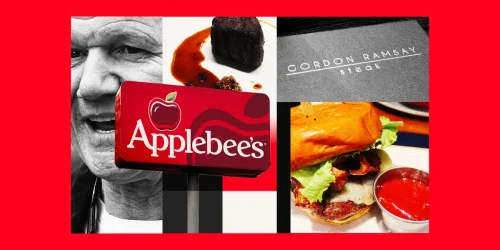
Celebrity chef-branded restaurants, from Gordon Ramsay's Atlantic City empire to Bobby Flay's steakhouses, are strategically built on the same foundation of familiarity that drives success for casual dining chains like Applebee's and Chili's. While offering more polished interiors and higher price points, these establishments provide diners, particularly tourists, with a safe, recognisable, and consistent experience that cuts through the overwhelming choice of vacation destinations.
The model is evident in Atlantic City, where Ramsay operates three distinct concepts inside casino resorts: the casual Gordon Ramsay Pub & Grill, the elevated Gordon Ramsay Steak, and the TV-inspired Hell's Kitchen. A July 2025 visit revealed menus anchored by recognisable staples—beef Wellington, pub burgers, Caesar salads—presented with slight culinary elevation.
The Strategy of Recognisable Staples
Christopher Carraher, Vice President of Food and Beverage for Caesars Entertainment, which oversees many Ramsay's restaurants, confirmed the intentional balance. "We know we need recognizable staples that ground the menu and make it approachable," Carraher told Business Insider. "From there, we let the chef's creativity shine through dishes that are bold and completely unique to the brand."
This approach mirrors other celebrity portfolios. Bobby Flay's restaurants reliably feature his Southwestern style, Guy Fieri's venues lean into over-the-top comfort food, and Lisa Vanderpump's spots offer photo-ready cocktails and signature dishes like SUR's goat-cheese balls.
Consistency and Brand Trust as Key Drivers
For diners, the celebrity name itself provides crucial reassurance. A 2024 survey by Talker Research found 40% of Americans named Gordon Ramsay as their top-choice celebrity chef, with respondents willing to pay an average of $340 for a three-course meal prepared by their favourite. The consistency of experience—whether a beef Wellington in Atlantic City, London, or Las Vegas—builds a trust similar to that of a well-known chain.
This logic is fundamental to casual chains, where familiar interiors and photo-heavy menus provide predictability. A 2023 US Foods survey found 83% of diners review a menu before arriving, with half deciding on their order before sitting down.
Theatrical Luxury and Price Creep
The sense of luxury at celebrity venues is often more theatrical than literal. Hell's Kitchen in Atlantic City features an open kitchen, screens playing clips from the TV show, and servers encouraging photos, creating a performative dining experience absent from casual chains.
However, this comes at a significant cost. At Gordon Ramsay Pub & Grill, dinner for two totalled $181.42 after tax and tip. At Gordon Ramsay Steak, the bill for two, including four cocktails, reached $320. A meal at Hell's Kitchen cost $210.22 for two. The premium is for the brand experience, not necessarily superior ingredients, with kitchens run by executive chef teams, not the celebrity themselves.
Scale and Financial Reality
Financially, celebrity restaurant groups operate on a different scale to mass-market chains. Gordon Ramsay Restaurants operates 94 venues worldwide, generating $500.8 million in revenue in 2024 and holding eight Michelin stars. In contrast, Applebee's reported $4.1 billion in sales in 2024 from its 1,614 global locations.
The core challenge for the celebrity model is price creep, which can outpace the value expectations of diners. Ultimately, both models succeed by offering a known quantity: one provides the comfort of a reliable chain meal, the other sells the curated experience of a famous chef's brand.