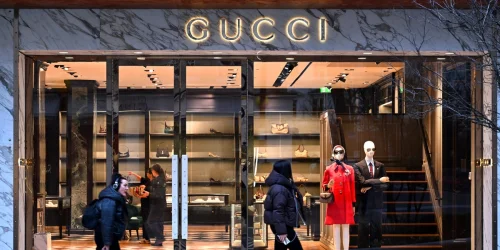
The Italian luxury fashion house Gucci has ignited a fierce online debate following the release of a new campaign featuring AI-generated imagery. The "Primavera" campaign, posted ahead of creative director Demna Gvasalia's Milan Fashion Week show, includes renderings of a woman in a fur coat in a restaurant and models some compared to "Grand Theft Auto" characters.
The images were swiftly criticised on social media platforms like Instagram and X, with users labelling them "cheap," "tacky," and "slop"—a term for low-quality, mass-produced AI content. "Craftsmanship reduced to marketing narrative," wrote one Instagram user, while another on X suggested the AI made the brand appear "cheaper than TJ Maxx."
Creative Intent Versus Cost-Cutting
Despite the backlash, branding experts suggest the decision was driven by creative strategy, not budget savings. Blanca Zugaza Escribano, a fashion and luxury strategy consultant at Metyis, told Business Insider the move is about "positioning Gucci at the intersection of fashion, art and technology."
She stated the AI use aligns with Gucci's history of experimentation, signalling "creative futurism" and generating "surreal, high-impact imagery that traditional production might not easily achieve." Gucci did not respond to a request for comment from Business Insider.
A Critical Moment for the Brand
The campaign arrives at a pivotal time for the Kering-owned brand. In its full-year 2025 earnings, Gucci reported the steepest revenue decline in Kering's portfolio, falling 19% on a comparable basis. This follows a period where the brand's push for maximalism under previous creative director Alessandro Michele more than doubled revenue between 2015 and 2022, before it struggled to adapt to the "quiet luxury" trend.
Armelle Poulou, CFO of Kering, noted in a recent earnings call that activations like the "La Famiglia" collection—which included an AI partnership with Snapchat—are putting "Gucci back at the center of the attention."
The Broader Luxury and AI Dilemma
Industry voices highlight the inherent tension for heritage brands using new technology. Matthew Drinkwater, director of the Fashion Innovation Agency at the London College of Fashion, noted luxury is traditionally rooted in "craft, heritage and human storytelling."
"If AI is used in a way that feels like it replaces craft, it risks undermining the very thing that creates aspiration," he said. Elaine Parr, a senior partner at IBM, added that in a "tough market" for luxury, brands must "deliver on the Lux brand promise and be modern whilst retaining your heritage."
Gucci is not alone in facing criticism; Valentino received similar backlash for an AI-generated campaign for its DeVain handbag in December 2024. Drinkwater observed that the Instagram comments section for luxury brands has become "the most honest focus group in fashion," and that "almost any use of AI in fashion still seems to trigger a level of outrage."
The controversy underscores the fine line brands must walk between innovation and tradition. While Gucci's campaign aims for futurism, the strong consumer reaction serves as a reminder that in the luxury sector, the perception of human artistry and craftsmanship remains paramount.