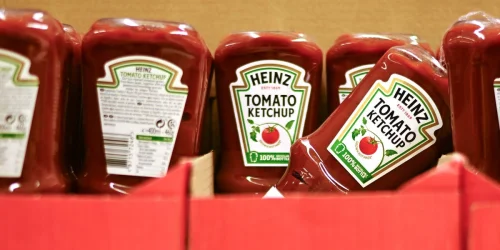
The new Chief Executive Officer of Kraft Heinz, Steve Cahillane, has publicly stated that the aggressive cost-cutting strategy implemented under its former private equity owner, 3G Capital, damaged the company's performance. Cahillane, who assumed the role last month, made the remarks at the Consumer Analyst Group of New York conference in Orlando.
He outlined a plan to invest $600 million to rebuild the company's "muscle" in areas like research, development, and marketing. This marks a significant strategic reversal for the food giant, whose portfolio includes iconic brands like Heinz Ketchup, Oscar Mayer, and Philadelphia.
Lean Operations Hurt Financial Results
Cahillane directly linked the deep cuts to the company's declining fortunes. Kraft Heinz shares have fallen approximately 74% from their 2017 peak, and the company forecasts a decline in organic net sales of 1.5% to 3.5% for the current year. "If you don't have the people and the capabilities, it's really difficult to deliver," Cahillane said. "We've been operating too lean, and we acknowledge that, and we're going to fix it."
The previous management, influenced by 3G Capital, employed a zero-based budgeting system. This method required managers to justify every expense from scratch each period, rather than basing new budgets on previous ones.
The Human Cost of Austerity
The extreme frugality permeated company culture. A 2021 report by Business Insider revealed that some employees felt compelled to bring their own coffee to work—despite the company owning the Maxwell House brand—and to severely limit spending on basic office supplies.
3G Capital, which engineered the merger of Kraft and Heinz in 2015, exited its investment in Kraft Heinz in 2023. Another major long-term shareholder, Warren Buffett's Berkshire Hathaway, signalled a potential exit after writing down its Kraft Heinz stockholding by $3.8 billion last year.
A New Strategy for Iconic Brands
Under Cahillane's leadership, Kraft Heinz is halting a planned corporate break-up announced earlier. The focus is now on revitalising its core brands. "These brands are so iconic, so special, so well known," Cahillane stated. "But unfortunately, for too long, we have been relying too much on only that. We need to make these brands relevant for today."
The company is testing new product formats, such as selling its Capri-Sun drink in plastic bottles instead of traditional pouches. Early data indicates this change is increasing the brand's appeal with teenage consumers.
The $600 million reinvestment plan and strategic pivot come as Kraft Heinz seeks to stabilise its business and reignite growth after nearly a decade defined by financial engineering and severe cost control.