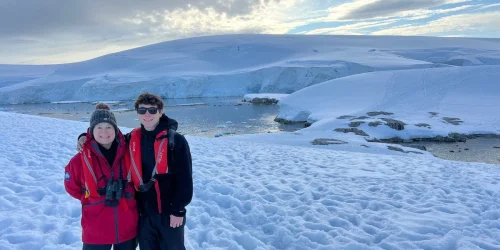
In a move that defied conventional parenting wisdom, a New York mother pulled her high school son out of classes for a week to embark on a three-week expedition to Antarctica. Judy, a seasoned traveller, made the radical decision after seeing her son, Jack, become overwhelmed by the intense college preparation pressures of his junior year.
The trip, which spanned the Antarctic Peninsula, South Georgia, and the Falkland Islands over the winter holiday break, was intended as a reset. Jack, who had been balancing Advanced Placement (AP) classes, SAT preparation, and college application anxiety, secured approval from his teachers to make up the missed work, despite significant pushback from other parents.
A Classroom of Ice and Wildlife
Daily life aboard the ship involved hands-on adventures far removed from academic stress. Activities included hiking snow-capped peaks, kayaking among icebergs, and observing wildlife up close. The itinerary was specifically chosen to include South Georgia, which proved to be a highlight for both travellers, featuring sightings of thousands of king penguins and their chicks.
“We quickly learned the difference between rockhopper, macaroni, gentoo, Adelie, and chinstrap varieties,” Judy noted, describing the immersive educational experience. The constant exposure to penguins, elephant seals, and vast glacial landscapes began to alter Jack’s outlook on his future.
Perspective from Professionals and Peers
A pivotal moment came during a dinner with expedition staff, including naturalist Rich Pagen and Young Explorers guide Kristen Wornson. When Jack asked how they found their career paths, they shared that their journeys were not linear, ultimately leading them to jobs they loved in Antarctica.
“For Jack to see people loving their jobs — and to realize that no one thought they’d end up where they did... was a great wake-up call,” Judy explained. Interaction with other teenagers on board, including one taking a gap year, further highlighted the multitude of available life paths beyond a rigid college timeline.
Strengthened Bonds and Lasting Impact
The expedition also served to strengthen the mother-son relationship during a typically distant teenage phase. By sharing excursions and dinners while allowing space for independent activities on sea days, they avoided conflict and fostered a positive connection. Judy reflected that “travel Jack was the best version of himself.”
The family has a long history of educational travel, with Judy having taken Jack on trips since he was three months old, including to destinations like Costa Rica, Mexico, and Finland, often during school terms. This most recent journey, however, was framed as a direct intervention against academic burnout.
Upon reflection, Judy believes the experience successfully reframed college as merely “one chapter” in a larger life story, rather than an all-consuming endpoint. The unconventional decision, initially met with criticism, ultimately provided a unique form of education in resilience, perspective, and global awareness.