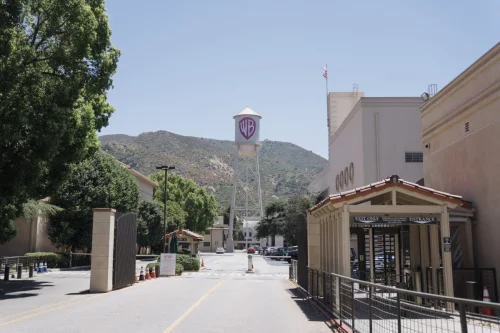
In a dramatic corporate showdown, Paramount Global has emerged victorious in the bidding war for Warner Bros. Discovery (WBD), agreeing to acquire the entire company for approximately $111 billion. The deal, orchestrated by Paramount CEO David Ellison, supersedes a prior $82.7 billion offer from Netflix for WBD's studios and streaming assets alone.
The agreement, pending final approval from the WBD board, would create a media behemoth encompassing Warner Bros. studios, HBO, the Max and Discovery+ streaming platforms, cable networks including CNN and HGTV, and a significant games division. The move follows months of intense negotiations and marks one of the largest media mergers in history.
From Netflix Frontrunner to Paramount Victory
The sale process began in October when WBD, burdened by approximately $33 billion in debt and facing declining cable viewership, revealed it was exploring strategic options. By December, streaming giant Netflix had been selected as the preferred bidder with its $82.7 billion offer for WBD's core entertainment assets.
Paramount, however, persistently argued its all-encompassing bid was superior. After having its initial offers rejected over concerns about its own substantial debt load, Paramount filed a lawsuit in January and later sweetened its deal with a "ticking fee" for shareholders. A final increased offer of $31 per share in February ultimately persuaded the WBD board to enter exclusive talks, prompting Netflix to withdraw.
"The transaction we negotiated would have created shareholder value with a clear path to regulatory approval," Netflix co-CEOs Ted Sarandos and Greg Peters stated on February 26. "However, we’ve always been disciplined, and at the price required to match Paramount Skydance’s latest offer, the deal is no longer financially attractive."
Financial Structure and Political Complexities
The acquisition carries significant financial weight. Paramount will assume WBD's $33 billion debt, adding to its own substantial liabilities. The transaction is backed by a $54 billion debt commitment from Bank of America Merrill Lynch, Citi, and Apollo Global Management, plus $45.7 billion in equity from Larry Ellison, David's father and Oracle chairman.
The Ellison family's political connections introduce a complex layer. Larry Ellison is a major donor to former President Donald Trump, whose administration quickly approved Ellison's takeover of Paramount last year. This has raised concerns about editorial independence, particularly at WBD's CNN, following reports that critical coverage of the Trump administration was shelved at Paramount-owned CBS News.
Regulatory and Employment Hurdles Ahead
The merger faces intense regulatory scrutiny. A coalition of 11 state attorneys general has urged the U.S. Department of Justice to review the deal, warning it could stifle competition and increase consumer prices. U.S. Senators Elizabeth Warren, Bernie Sanders, and Richard Blumenthal have also voiced antitrust concerns.
"These two Hollywood titans have not cleared regulatory scrutiny — the California Department of Justice has an open investigation, and we intend to be vigorous in our review," said California Attorney General Rob Bonta on February 26.
Internally, David Ellison has warned of significant job reductions post-merger, adding to widespread anxiety among the combined companies' workforces about potential layoffs and lower wages.
Path to Completion
The deal is not yet final. While a stockholder vote on the Netflix agreement was anticipated for April, the shift to Paramount will establish a new timeline. The transaction's ultimate closure, expected within 12 to 18 months after a vote, remains contingent on navigating the formidable regulatory landscape and final board approvals.