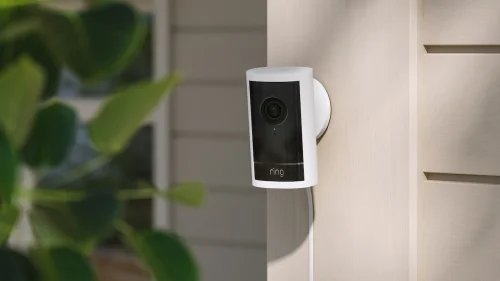
Amazon-owned Ring has launched a new app store, aiming to transform its network of over 100 million smart cameras from home security devices into platforms for a wide range of AI-powered services. The move, first announced at the Consumer Electronics Show in January, marks a significant expansion for the company into areas like elder care, workforce analytics, and rental management.
Ring founder and CEO Jamie Siminoff told TechCrunch the initiative is about "unlocking value that our customers have invested in" by allowing third-party developers to build applications for its ecosystem. The store's capabilities are enabled by advances in artificial intelligence, which can interpret the visual and audio data captured by Ring devices for specific use cases.
Launch Partners and Targeted Verticals
Initial launch partners demonstrate the store's intended scope. Density, a SoftBank-backed company, offers an app called Routines for elder care, which can alert families to concerns like falls or changes in daily patterns. Another app, from QueueFlow, helps businesses analyse wait times and congestion at venues like restaurants or service desks.
For the short-term rental market, an app from Minut helps Airbnb hosts monitor their properties. This complements Minut's existing, camera-less sensors that track noise levels and temperature. Other available apps include a bird-identification tool, lawn health monitoring, and even a package delivery tracking service.
Jamie Siminoff stated the goal is to have "hundreds of apps in tens of verticals" by the end of the year. Developers can submit applications for consideration through Ring's developer site.
Privacy Concerns and App Restrictions
The expansion comes amid growing consumer scrutiny of surveillance technology. Ring has faced previous backlash, including criticism over partnerships with law enforcement and the cancellation of a partnership with Flock Safety, a maker of AI-powered cameras that share footage with police.
Aware of potential privacy issues, Siminoff emphasised the app store's terms will prohibit certain features. "We’re trying to be careful to make sure that it is being used for…apps that deliver value to the customer," he said. Specifically banned are privacy-invasive tools like facial recognition or automatic license plate readers.
Business Model and Platform Strategy
The Ring app store will be discoverable within the main Ring app on iOS and Android, but it operates outside traditional mobile app store payment systems. Users will typically need to download a partner's standalone app to access new functionalities, meaning Ring avoids paying commissions to Apple or Google.
For monetisation, Ring will take a commission on sales it directs to partners, initially set at 10%. The company is open to other business models, including one-time fees or free, ad-supported apps. The store is launching initially for customers in the United States before a broader rollout.