Imagine a company deciding to triple its annual investment overnight. Not on marketing or sales, but on a single, audacious vision of the future. That’s exactly what Tesla just did. In a move that sent shockwaves through the markets, CEO Elon Musk announced the electric vehicle giant is ramping up its capital expenditure to a staggering **$25 billion for 2026**.
This isn't just a budget increase; it's a declaration of war on the status quo. So, why is Tesla betting the farm, and what does this massive financial pivot mean for you, the investor, and the future of technology?
From Car Maker to AI Powerhouse: The $5 Billion Mystery
Back in January, Tesla warned investors to expect capital expenditures "in excess of $20 billion." The new $25 billion figure represents a sudden, **$5 billion uptick** in planned spending. Where is all that extra money going? According to Musk, it’s the fuel for Tesla's radical transformation from a car company into "an AI and robotics company."
"With 2026 we’re going to be substantially increasing our investments in the future," Musk stated on the earnings call. "You should expect to see a very significant increase in capital expenditures, but I think well justified for a substantially increased future revenue stream."
Your Guide to the $25 Billion Shopping List
Let’s break down where your money – if you're a shareholder – is being spent. This isn't just about building more Gigafactories. Musk outlined a precise battle plan:
The AI Core: Billions are earmarked for AI training, proprietary chip design, and the massive compute infrastructure needed to power it all. Think of it as building the brain for Tesla's next generation.
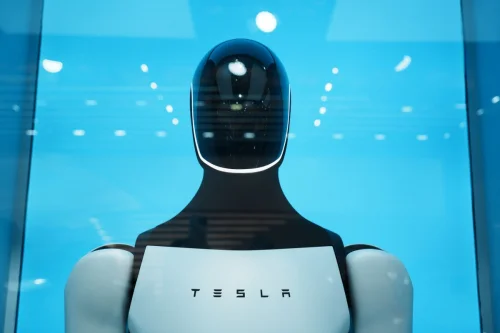
The Robot Revolution: Ground has already been broken in Austin for a dedicated factory for the Optimus humanoid robot. The classic Fremont factory will also stop making Model S and X cars to start building Optimus "at scale." Musk hinted these robots could be "useful outside of Tesla sometime next year."
Fortifying the Fortress: A significant portion will go towards strengthening Tesla's supply chain "across the board," specifically for batteries, energy products, and the crucial AI silicon it now designs itself.
The Sobering Cost of Chasing Tomorrow
This visionary spending comes with a very real, immediate price tag. Chief Financial Officer Vaibhav Taneja delivered the sobering news: despite a recent $1.4 billion surge in free cash flow, Tesla expects to dip into **negative free cash flow for the rest of the year**.
The market's reaction was instant and telling. Tesla's brief 4% share price bump evaporated in after-hours trading as the scale of the gamble sank in. "While this may seem like a lot," Taneja conceded, "we believe this is the right strategy to position the company for the next era."
Are You Watching a Masterstroke or a Miscalculation?
Musk was quick to point out Tesla isn't alone. Amazon plans a jaw-dropping $200 billion in capex for 2026, while Google is set to spend nearly double its previous budget. This is an all-in arms race for AI supremacy.
The final question isn't about this year's balance sheet. It's about the world Tesla is building for 2027 and beyond. Will this $25 billion bet forge the dominant AI and robotics company of the next decade, or will it stretch Tesla's finances too thin? One thing is certain: Elon Musk is no longer playing the car game. He's playing for the future itself, and he's just pushed all his chips to the centre of the table.