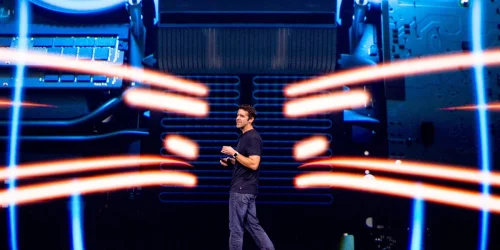
Have you ever wondered what really goes on in the boardrooms of the world's most valuable company? The decision to crown a new leader is never taken lightly, especially when that leader is stepping into the shoes of a legend like Tim Cook. But the choice of John Ternus isn't just a corporate handover; it's a statement of intent that will directly shape the gadgets in your pocket and on your desk for the next decade.
Apple confirmed on 20 April that Ternus, currently Senior Vice President of Hardware Engineering, will take the CEO reins starting 1 September 2026. Cook will transition to Executive Chairman. In a move that reveals immense confidence, Cook stated, "I could not be more confident in his abilities and his character." But why him? The answer lies not in spreadsheets, but in a philosophy of creation that Apple fears it has lost.
From Engineering Labs to the CEO's Office: The Return of Apple's Soul
For years, whispers on Wall Street and in Silicon Valley suggested the top job would go to a numbers person, a operations wizard in Cook's mould. Instead, Apple has reached back into its core identity. By promoting Ternus, they are deliberately returning to their roots: a company led by a product visionary. This marks the first time since Steve Jobs that a CEO with a deep hardware engineering background will sit in the corner office.
Ternus isn't a stranger to the spotlight you're used to. He's the face you've seen unveiling the thinnest ever iPad Pro and demonstrating the durability of the revolutionary iPhone Air. His 2025 has been a masterclass in public preparation, with key interviews about Apple Intelligence. He has been groomed in plain sight, with Bloomberg labelling him the "most likely heir apparent" over a year ago.
The "Product Guy" Promise: What Changes For You
So, what does a "hardware guy" as CEO actually mean for you, the customer? It signals an era where the physical feel, innovation, and design purity of Apple products will be paramount. Think less about quarterly margins in a keynote, and more about the "wow" moment of unboxing. Ternus has worked on every generation of iPad and AirPods, and his promotion is a clear bet that Apple's future growth will be driven by tangible, lust-worthy hardware breakthroughs, not just services subscriptions.
Translate the corporate jargon into your daily life: the drive for thinner, lighter, more powerful, and more integrated devices will intensify. The man who presented the new iMac and MacBook at WWDC events is now the ultimate decision-maker. His graduation in mechanical engineering from the University of Pennsylvania in 1997 and his two-decade journey from Apple's product design team in 2001 to the top prove one thing: he thinks in gears, materials, and user experience first.
A Humbled Heir & The Weight of a Legacy
The challenge is monumental. Ternus must balance the relentless innovation expected of a product guru with the astronomical financial pressures of a $3 trillion company. He acknowledges the gravity, stating he is "humbled to step into this role" and promises to lead with the values that have defined Apple. Having worked under both Jobs and Cook, he is a unique bridge between the company's revolutionary past and its global present.
From September 2026, the world will watch to see if this engineering mindset can navigate geopolitical tensions, AI wars, and fierce competition. One thing is certain: the philosophy of Apple is shifting back towards its workshop. The products of the Ternus era won't just be updates; they will be manifestos.