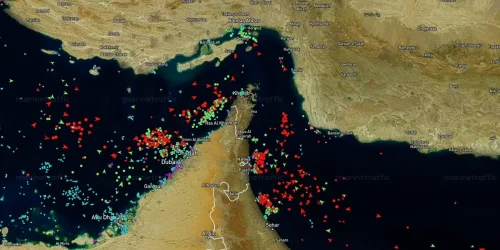
Imagine a powder keg, its fuse already lit and sputtering. That's the state of the Strait of Hormuz right now. A critical ceasefire between the US and Iran is due to expire this Wednesday, and the atmosphere is not of peace, but of mutual blame and rising tension. Why should you care? Because this narrow waterway is the lifeline for nearly a fifth of the world's oil, and its stability affects everything from your fuel prices to global security.
Both powers are not just waiting for the deadline; they are actively accusing each other of breaking the very terms of the truce. This isn't a quiet diplomatic stalemate—it's a public, heated dispute that risks tipping back into open confrontation. The core question isn't *if* the ceasefire ends, but *what happens the moment after it does*.
Why Accusations Are Flying Before the Clock Even Runs Out
Typically, you'd expect violations to be discussed after a deal collapses. Not here. The US and Iran have gone on the offensive, each claiming the other side acted in bad faith during the ceasefire period. This pre-emptive blame game is a dangerous signal. It suggests neither party is approaching the expiry date with a intent to renew or negotiate in good faith, but rather to position themselves as the wronged party for the inevitable next phase.
"It creates a narrative justification for whatever action they take next," explains a regional security analyst. "By claiming the other side broke the deal first, they lay the groundwork for a more aggressive response, making de-escalation politically harder."
The Stakes Are Far Bigger Than a Political Spat
This isn't just a war of words between two governments. The Strait of Hormuz is the world's most important oil chokepoint. A serious disruption here doesn't stay here—it sends shockwaves through the global economy. We're talking about potential spikes in energy costs that would hit household budgets and business operations worldwide within days.
To put the risk in perspective, the daily oil flow through the Strait is equivalent to the **total annual energy consumption of the entire United Kingdom**. Any threat to that flow is a threat to the financial stability of nations.
What Comes After Wednesday?
The path forward is shrouded in uncertainty. The most likely scenario is a return to the tense, shadowy conflict that characterised the region before the ceasefire: naval stand-offs, seizures of commercial vessels, and targeted strikes through proxies. The fragile detente provided a brief pause; its end could see actions accelerate.
For the international community and global markets, the next 72 hours are critical. The expiry of this agreement isn't an endpoint, but a potential trigger point. The world is watching, knowing that the actions taken in the Strait of Hormuz rarely remain contained there for long.