Imagine a world where artificial intelligence can dream up thousands of potential life-saving drugs in the blink of an eye. Now, imagine those breakthroughs hitting a wall of human limitation, stuck in a lab waiting for someone to figure out what they actually *are*. This isn't science fiction. It's the shocking reality facing medicine today, and a tiny company you've never heard of is trying to break the dam.
While headlines celebrate AI models like Google DeepMind's AlphaFold for predicting protein structures, a brutal bottleneck has emerged. AI is brilliant at spitting out candidates, but a painstaking, expert-driven process called "characterisation" is needed to verify them for testing and production. Everything, as one founder puts it, "needs to be measured." And that's where progress grinds to a halt.
The "Secret Weapon" Hiding in Nobel Prize-Winning Labs
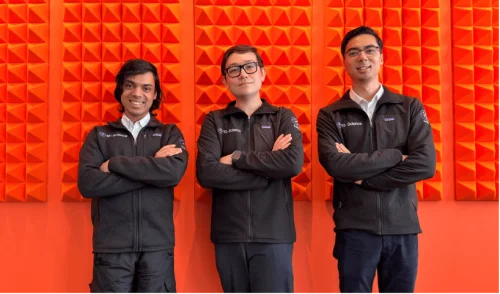
Enter 10x Science. Founded in December 2025 by biochemists David Roberts, Andrew Reiter, and AI expert Vishnu Tejas, this startup just announced a $4.8 million seed round. Their origin story is key: they met in the Stanford lab of Nobel laureate Dr. Carolyn Bertozzi, frustrated by their own inability to see the molecular battles between cancer cells and the immune system.
Their target? A complex technique called mass spectrometry, the gold standard for analysing molecules. It generates a flood of intricate data that takes highly trained scientists weeks to interpret. 10x's platform combines hardcore chemistry algorithms with AI "agents" trained specifically to read this data, promising to slash that time to a fraction.
"It Just Figured It Out": The Tool That Surprised Its First Users
Matthew Crawford, a scientist at analysis firm Rilas Technologies, has been a beta tester. His experience reveals the platform's eerie intuition. "I ran a particular protein through it, and it just kind of figured out, from what I named the file, what the protein probably was," he told TechCrunch. The AI then hunted down the protein's sequence online, automating a tedious manual step.
Crawford, wary of AI tools that over-promise, was struck by its "reasonable assumptions" and ability to explain its conclusions—a traceability crucial for passing strict regulatory checks. For biotech startups, this isn't just about speed; it's about accessing multi-million-pound analysis they could never afford in-house.
Why Big Pharma Is Secretly Signing Up
For investors like Initialized Capital's Zoe Perret, 10x's appeal is brutally simple: it's a bet on the *process* of drug discovery, not the lottery ticket of a single drug. "This is a SaaS platform that pharma has to pay for, every single month," she said. It's a recurring revenue model built on a moat of extreme expertise—there simply aren't many people who understand this data.
The founders have a grander vision. Roberts calls it building "a new way to define molecular intelligence," hoping to eventually combine protein data with other cellular information. For now, the mission is more immediate: unlock these powerful methods for every researcher.
As Crawford explains, when scientists get a mass spec result, it often "opens up a whole can of worms" of complex questions. "This software is going to help keep that can of worms closed and just get them the answer they actually need," he says. In the race for new treatments, that answer could be the difference between a dead end and a cure.