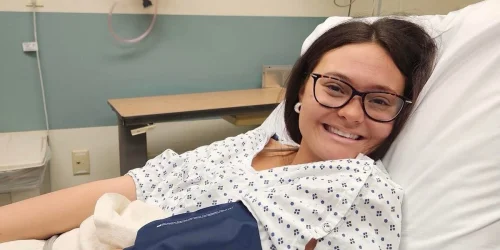
A 21-year-old American university student has been declared cancer-free after being diagnosed with stage 2 colon cancer following months of intermittent abdominal pain. Katie Davis, a marketing major at West Chester University in Pennsylvania, first experienced sporadic pain in her upper right abdomen while juggling classes, a job, and sorority life.
Her symptoms, which she initially dismissed, escalated over three months, leading to an emergency room visit after she developed chills and vomited. Medical scans revealed an inflamed colon with free fluid, prompting doctors to investigate conditions ranging from Crohn's disease to cancer.
Diagnosis and Treatment Challenges
Following a colonoscopy, the performing doctor informed Davis and her mother he was "pretty positive" a mass in her colon was cancerous. The subsequent diagnosis of stage 2 colon cancer left Davis feeling "numb and confused."
Her planned three-month course of chemotherapy was complicated by severe side effects from the drug oxaliplatin, including extreme fatigue, nausea, neuropathy, and temporary vision loss. "My vision would go completely black," Davis told Business Insider.
This led her treatment team to switch her to an oral-only chemotherapy regimen, which extended her total treatment time to six months but allowed her more flexibility.
Balancing College Life and Cancer
Throughout her treatment, which concluded in June 2025, Davis continued to attend university classes in person as often as her health permitted. "I tried to keep up with my stuff as much as I could, but it definitely was difficult to do schoolwork when I felt as horrible as I did on the chemo," she said.
She found support and information through the Colorectal Cancer Alliance (CCA) and online colon cancer groups, which helped her understand her symptoms and treatment options.
A Warning to Young Adults
Davis's case highlights a concerning trend, as colon cancer has recently become the leading cause of cancer death in people under 50 in the United States. She expressed gratitude that her symptoms were pronounced enough to prompt investigation, noting that many doctors told her most young people with her stage of cancer would not exhibit clear warning signs.
Her primary advice is for young people to "listen to your body" and seek medical advice for persistent or changing symptoms. She also recommends connecting with support communities. "You're not really alone going through it," she said.
Now a senior and marketing intern, Davis will undergo blood tests every three months and an annual colonoscopy as part of her ongoing surveillance. She describes finishing treatment as feeling "excited to be normal again."