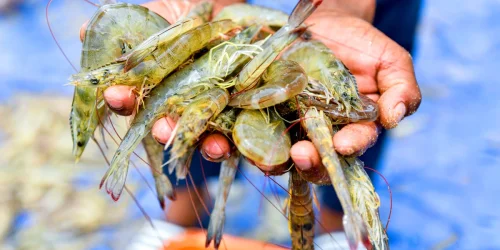
The United States Supreme Court has ruled against former President Donald Trump's imposition of 50% 'emergency tariffs' on shrimp imports from India, a decision announced in August 2025. The ruling strikes down a key trade policy that had sent shockwaves through the global seafood industry, pitting American shrimpers against their foreign suppliers.
In response, President Trump has stated he will pursue the tariffs through an executive order, ensuring continued uncertainty for a market where the majority of shrimp consumed in the US originates from Indian farms.
Indian Farmers Forced to Pivot
The tariffs targeted an industry that had transformed the economic landscape of Gujarat, India. Local farmers had leveraged soaring US demand to turn previously poor towns into valuable aquaculture hubs. The sudden imposition of the 50% duty forced these producers to rapidly seek new markets and adjust their business models overnight.
"We built this supply chain on American orders," one Gujarat-based farm owner told Business Insider, highlighting the dependency created over years of trade. The region's economy had become intricately linked to US consumption patterns.
Mixed Reaction from Gulf Shrimpers
In the United States, the initial tariff announcement was met with applause from shrimpers in Louisiana, who have long competed with cheaper imported seafood. However, the reaction was split, with some industry voices expressing doubt that the measures went far enough to genuinely revitalise the domestic shrimp fishing industry in the Gulf of Mexico.
The Supreme Court's intervention has now complicated their outlook, creating a policy vacuum that leaves long-term planning difficult. The potential for executive action promises further instability rather than resolution.
Box: The Global Shrimp Trade
India is the leading supplier of shrimp to the United States. The 2025 tariffs represented one of the most significant trade barriers erected in the sector in decades, threatening to reroute global supply chains and alter pricing for consumers worldwide.
Legal Challenge and Future Uncertainty
The Court's decision to invalidate the tariffs centred on the use of 'emergency' powers, which it found unjustified in this case. This legal setback for the administration does not end the matter, as the President's commitment to an executive order indicates a continued political will to enact protectionist measures.
This ongoing conflict poses fundamental questions for the interconnected industry. Analysts suggest the situation serves as a case study in how trade wars create complex webs of winners and losers, affecting livelihoods from Indian farming communities to fishing families in the American South.
The ultimate impact on consumer prices, supply stability, and the economic health of both producing and consuming regions remains to be seen as the political and legal battle continues.