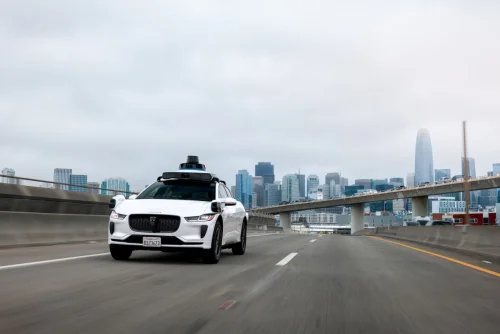
Waymo has published a detailed defence of its remote assistance operations following scrutiny from US lawmakers, revealing it employs workers in the Philippines to support its self-driving vehicles. The company's chief safety officer, Mauricio Peña, disclosed the overseas workforce during a US Senate Commerce Committee hearing earlier this month, prompting criticism from Senator Ed Markey.
In a blog post and a letter to Senator Markey's office, Waymo's head of global operations, Ryan McNamara, clarified the roles of its remote teams. The company stated that its self-driving system remains in full control of vehicles, and remote assistance workers do not "remotely drive" the robotaxis. Instead, they respond to specific information requests from the autonomous system.
Structure of Remote Operations
Waymo operates two distinct support teams. Its Remote Assistance (RA) agents, of which approximately 70 are on duty worldwide at any time, are based in Arizona, Michigan, and two cities in the Philippines. Their role is to handle queries from the vehicle's AI. A separate US-based Event Response Team (ERT) handles more complex incidents, including collisions, interfacing with law enforcement, and regulatory reporting.
The scale of operations highlights the ratio of workers to vehicles. With a fleet of 3,000 vehicles driving over 4 million miles weekly and providing more than 400,000 rides, a small number of remote agents monitors a large volume of autonomous activity.
Regulatory and Market Developments
The disclosure comes as Waymo faces regulatory challenges in expanding its service area. New York Governor Kathy Hochul withdrew a proposal to amend state vehicle laws to effectively legalise robotaxis, citing a lack of legislative support. This setback occurs as the company continues to press into new markets elsewhere in the US.
The debate over transparency in the autonomous vehicle industry is longstanding. Critics have argued that companies have been reluctant to detail human involvement in their operations, potentially breeding public mistrust. Waymo's detailed response is seen as an attempt to address these concerns directly.
Industry Context and Broader Mobility News
The mobility sector saw significant developments beyond Waymo this week. Electric vehicle manufacturer Lucid announced layoffs affecting 12% of its workforce, likely numbering in the hundreds, with affected employees placed on a 60-day administrative leave. The company had 6,800 employees globally at the end of 2024.
In funding news, AI startup Amari AI raised $4.5 million, Mexican used-car platform Kavak secured $300 million, sustainable fuel companies LanzaJet and Metafuels raised $47 million and $24 million respectively, and Ford outlined its strategy to produce a competitive $30,000 EV truck.
In a separate legal matter, Tesla lost a bid to overturn a $243 million jury verdict related to a fatal Autopilot crash, though it avoided a 30-day sales license suspension in California after agreeing to stop using the term "Autopilot" in its marketing within the state.