Airline stocks across Europe and the United States suffered significant losses on Monday following an announcement by former US President Donald Trump of a naval blockade of the Strait of Hormuz. The immediate market reaction highlighted deep investor concerns over potential jet fuel shortages and escalating operational costs for the aviation industry.
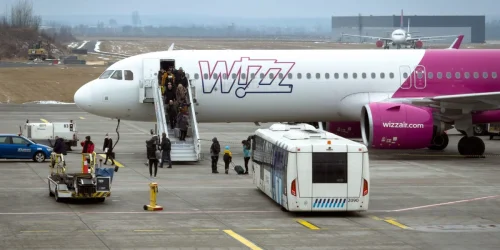
The sell-off was particularly acute among budget carriers. Hungary's Wizz Air saw its shares plunge by almost 8% in a single day, extending a year-to-date decline of approximately 30%. The airline had previously warned of expected losses up to 50 million euros due to the ongoing Iran conflict, rising energy costs, and travel disruption, leading to cancellations of routes to Dubai, Abu Dhabi, Amman, and Jeddah until September.
Widespread Sector Decline
Other airlines followed suit. British budget carrier easyJet dropped more than 4%, while travel firm TUI, which operates its own airline, fell about 3.5%. Legacy carriers also failed to reassure markets, with Germany's Lufthansa declining 4.5% and IAG, the parent company of British Airways and Iberia, down approximately 3%.
In premarket trading in the United States, shares of United Airlines, Delta Air Lines, and American Airlines were down between 2% and 3%. The broad-based decline reflects a sector under severe pressure since the outbreak of the Iran war, with carriers cancelling hundreds of flights, increasing ticket prices, and adding baggage surcharges to offset soaring jet fuel costs.
Fuel Supply Fears at the Core
The central fear driving the market panic is the Strait of Hormuz's role as a critical global oil transit route. The European branch of the Airports Council International had warned last week that airports on the continent could face jet fuel shortages within three weeks if the flow of oil is disrupted.
This anxiety contrasted sharply with movements in the oil market, where Brent crude futures rose more than 7.5%, pushing the price per barrel back above $100. This price had fallen below that benchmark last week following a fragile ceasefire.
Diplomatic Breakdown Triggers Action
The geopolitical trigger for the blockade followed the collapse of weekend peace talks between Iranian and US leaders in Pakistan. On Sunday, Trump posted on his Truth Social platform, "Effective immediately, the United States Navy, the Finest in the World, will begin the process of BLOCKADING any and all Ships trying to enter, or leave, the Strait of Hormuz."
He followed this early Monday with an addendum, stating the US would also blockade ships attempting to enter or exit Iranian ports starting at 10 a.m. Eastern Time.
The announcement leaves airlines globally bracing for intensified operational and financial headwinds, with no clear timeline for a resolution to the blockade or the underlying conflict. Industry analysts warn that sustained high fuel prices and supply constraints could lead to further flight cancellations and increased costs for passengers in the coming weeks.