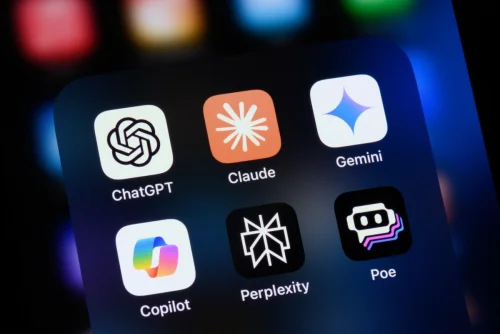
A new national poll reveals a stark contradiction in America's relationship with artificial intelligence: while adoption of AI tools is rising sharply, public trust in the technology is falling. The Quinnipiac University survey of nearly 1,400 Americans, published on Monday, found that 76% of respondents trust AI-generated information only "rarely" or "sometimes".
This scepticism persists despite a significant increase in everyday AI use. Only 27% of Americans now report never using AI tools, a notable drop from 33% in April 2025. Over half (51%) use AI for research, with many also employing it for writing, work projects, and data analysis.
A Climate of Concern, Not Excitement
The poll paints a picture of a public deeply apprehensive about AI's future. A mere 6% of respondents said they were "very excited" about AI developments, while 62% were "not so excited" or "not at all excited". Conversely, 80% expressed being "very" or "somewhat concerned".
This concern is reflected in broader perceptions: 55% believe AI will do more harm than good in their daily lives, a more negative view than in previous surveys. "Americans are clearly adopting AI, but they are doing so with deep hesitation, not deep trust," said Chetan Jaiswal, a computer science professor at Quinnipiac.
Job Market Fears and Personal Denial
Labour market anxiety is a primary driver of this distrust. A significant 70% of Americans think AI advancements will decrease job opportunities, a sharp rise from 56% last year. Only 7% foresee AI creating more jobs.
Younger generations are particularly pessimistic. Among Gen Z (born 1997-2008), 81% predict a decrease in jobs. This aligns with real-world trends; entry-level job postings in the U.S. have fallen 35% since 2023, and AI leaders like Anthropic CEO Dario Amodei have warned the technology will eliminate roles.
However, a cognitive dissonance exists. While worried about the broader market, most employed Americans do not fear for their own jobs. Only 30% are concerned AI will make their specific role obsolete, though this is up from 21% last year.
Demand for Transparency and Regulation
A significant factor eroding trust is a perceived lack of corporate honesty and government oversight. Two-thirds of respondents believe businesses are not being transparent enough about their AI use. The same proportion says the government is not doing enough to regulate the technology.
This sentiment emerges amid a political tug-of-war over AI governance, with states seeking to maintain regulatory authority while federal officials and industry leaders advocate for limiting state-level rules.
"Americans are not rejecting AI outright, but they are sending a warning," said Tamilla Triantoro, a professor of business analytics at Quinnipiac. "Too much uncertainty, too little trust, too little regulation, and too much fear about jobs."
Community Opposition and Environmental Worries
The poll also uncovered strong local opposition to AI infrastructure. A majority of Americans (65%) would oppose building an AI data centre in their community, primarily citing concerns over high electricity costs and water usage.
The findings suggest that for AI to gain greater public acceptance, developers and policymakers must address not only economic and job-related fears but also environmental impacts and the demand for greater corporate accountability.