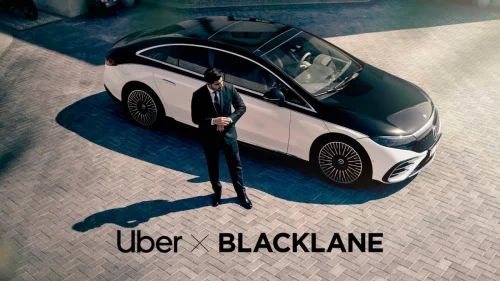
Uber is acquiring Berlin-based startup Blacklane, a provider of on-demand chauffeur services, as the ride-hailing giant deepens its expansion into the luxury and executive travel market. The deal, which requires regulatory approval, is expected to close by the end of this year. Financial terms were not disclosed.
The acquisition follows the recent launch of Uber Elite, a premium service combining chauffeur rides with luxury amenities, airport meet-and-greets, and 24/7 phone support. Uber Elite is currently available only in Los Angeles and San Francisco, with plans to expand to New York City.
Strategic Expansion into Premium Mobility
Founded in 2011, Blacklane has raised over $100 million from investors including rental car company Sixt, automaker Mercedes-Benz, and UAE conglomerate ALFAHIM. The company operates chauffeur services in major cities across Europe, the Middle East, Asia, South America, and North America.
"This acquisition accelerates our ability to deliver a world-class premium experience on a global scale," an Uber spokesperson stated, highlighting the strategic fit between Uber's new Elite platform and Blacklane's established luxury network and operational expertise.
Context and Market Position
The move signals Uber's continued diversification beyond its core ride-hailing and food delivery businesses, targeting higher-margin premium services. The luxury ground transportation market has seen increased competition, with traditional car services and new entrants vying for corporate and high-net-worth clients.
Blacklane's technology platform, which focuses on pre-booked, fixed-price chauffeur journeys, complements Uber's strength in on-demand, app-based mobility. The integration is expected to significantly expand the geographic reach of Uber's premium offerings from its current limited US test markets.
Uber stated the transaction remains subject to customary closing conditions, including regulatory approvals in relevant jurisdictions. The company did not specify whether Blacklane's brand or operations would be fully integrated or continue independently post-acquisition.