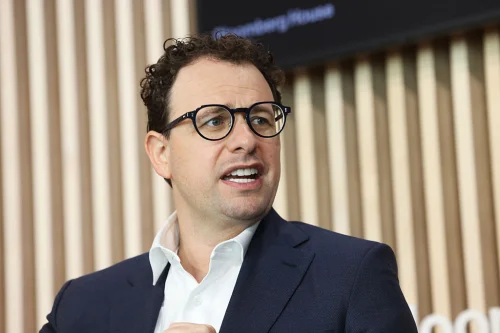
The artificial intelligence company Anthropic is engaged in high-level discussions with the Trump administration, even as it contests a significant designation by the Pentagon that could limit government use of its technology. CEO Dario Amodei recently met with White House Chief of Staff Susie Wiles and Treasury Secretary Scott Bessent for what both sides described as a "productive" introductory meeting.
This engagement signals a potential thaw in relations, contrasting with the Department of Defense's stance. The Pentagon recently labelled Anthropic a "supply-chain risk," a designation typically applied to foreign adversaries, following failed negotiations over the military's use of its AI models.
Dispute Rooted in AI Safeguards
The core of the conflict with the Pentagon stems from Anthropic's insistence on maintaining strict safeguards. The company sought to prevent its technology from being used for fully autonomous weapons and mass domestic surveillance. An administration source told Axios that "every agency" except the Department of Defense wants to utilise Anthropic's technology.
Anthropic co-founder Jack Clark characterised the Pentagon dispute as a "narrow contracting dispute" that would not hinder the company's willingness to brief the government on its latest models, including the new 'Mythos' model.
White House Seeks Collaboration
In a statement, the White House confirmed the meeting with Amodei was "productive and constructive." The discussion focused on "opportunities for collaboration, as well as shared approaches and protocols to address the challenges associated with scaling this technology."
Anthropic echoed this sentiment, stating the talks covered "key shared priorities such as cybersecurity, America’s lead in the AI race, and AI safety." The company added it is "looking forward to continuing these discussions."
Legal Challenge and Industry Context
Anthropic is formally challenging the Pentagon's supply-chain risk designation in court. The label could severely restrict federal agencies from procuring or using the company's AI systems. This development occurred shortly after competitor OpenAI announced its own military deal, which sparked some consumer backlash.
Prior to the Pentagon's move, there were indications of support within other parts of the administration. Reports indicated that Treasury Secretary Bessent and Federal Reserve Chair Jerome Powell had encouraged major banks to test Anthropic's new AI model.
Path Forward
The situation presents a divided executive branch approach to a leading AI firm. While the Department of Defense pursues a restrictive path via the supply-chain risk label, other senior officials are exploring avenues for cooperation. The outcome of Anthropic's legal challenge and the continuity of high-level talks will determine the company's future relationship with the U.S. government.
Anthropic's stance highlights the growing ethical debates within the AI industry regarding military applications, setting it apart from some competitors as it navigates complex government contracting and policy landscapes.