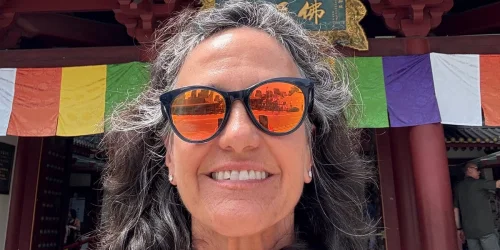
Lisa Fail, a 61-year-old cybersecurity professional from Durham, North Carolina, has decided to take a career break after approximately 30 years in the technology sector. The decision followed a pivotal conversation with a manager about her future prospects within the company.
Fail, who described herself as having "loved every job," said work had always been her primary focus, even with a husband and two children. The turning point came when she asked her then-boss about her next steps. "He said, 'Well, I realized at a certain age I was never going to be CEO,'" Fail recounted, interpreting the remark as a signal she had reached her peak within the organisation.
The 'Bad-Boyfriend Moment' and a Strategic Shift
Fail described the drive home after that discussion as a "bad-boyfriend moment," realising she was investing more into the job than was being reciprocated. "I need to figure something out, because this feels like rejection," she recalled thinking. Despite enjoying her cybersecurity work and harbouring hopes of recognition, she decided to adopt a more "mercenary" approach, reducing her hours from 60 per week and stepping back from voluntary extra duties.
This transactional shift left her feeling hollow, leading to an attempt at part-time work with a new manager. However, after a few months, she felt "life was passing me by" and could not reignite her passion for the role. "After pulling back, I never could fall in love with it again," she stated.
Reclaiming Time and Re-evaluating Priorities
Fail began to quantify her remaining time in good health—approximately 20 years, or 1,000 Mondays—which underscored her decision. In a retrospective look at her career, she questioned how many family vacations were interrupted by work calls and how often she was distracted by her phone during personal time. "They weren't things that I missed, but things that I hadn't fully participated in because I had one hand on my phone," she explained.
Since leaving her corporate role, Fail has experienced a shift from feeling "time-impoverished" to being "overwhelmed" by the freedom. "My time is not constrained. I'm not going to live forever, but today is mine," she said, now prioritising activities like yoga over checking work emails.
Future Plans and a Definitive Verdict
Fail views this as a break, not retirement, and has no desire to return to corporate tech. She expressed interest in future work with a strong sense of purpose, such as in the non-profit sector, government, or a startup, where the focus is on a "greater good beyond stockholders and CEOs."
Reflecting on her choice, she ranked it among the top five decisions of her life. She now contrasts past "false urgency" about work deployments with the simpler concerns of daily life. Her advice to others is clear: "Work is not your life. Your employer only buys 40 hours. Every hour they do not pay for is yours. Enjoy your work — love your work — but know your real business is life."