Picture this: two fridges, two freezers, and a pantry so full it could withstand a global emergency. That was our family legacy. Today, my husband and I shop for dinner ingredients on foot, one day at a time, with an almost empty freezer. The difference is everything.
How did we go from a life defined by bulk-buying abundance to one of daily, intentional simplicity? The answer lies not in a diet book, but in the cobblestone streets of Italy and a fundamental shift in how we connect with our food—and each other.
The European Epiphany That Changed Everything
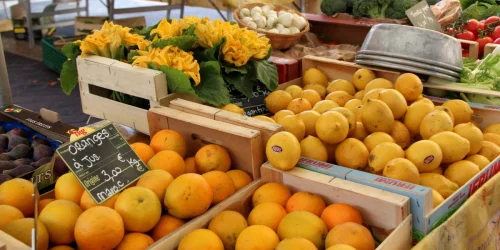
In our 20s, living in flats in Florence and Venice, we were forced to abandon the weekly car boot shop. Instead, we discovered the rhythm of local markets. Seasonality, not a shopping list, became our guide. We’d buy what looked freshest, chat with vendors, and invent recipes on the spot. Food stopped being a stockpile and started being an experience, a cornerstone of our independence and our budding relationship.
Later, while living alone in Europe for my master’s, this habit became a lifeline. Markets were a place of comfort and connection. I’d linger, ask for recommendations, and even prop my laptop on a cupboard so my husband could join me via Skype for dinner. We were building a new food language, one daily decision at a time.
Why Our "Inefficient" Daily Shop Is Our Greatest Luxury
Now, back in Montreal, we’ve held onto this ritual. We gravitate towards small fruiteries and open-air markets, shunning bulk retailers. Our pantry is bare-bones; our shopping is daily. While it’s not always the cheapest method, the payoff for our wellbeing is immense.
Living in a walkable city means our grocery run doubles as exercise and fresh air. But the real magic happens in the intentionality. Deciding on dinner each afternoon based on how we feel—not a rigid weekly plan—is a form of radical self-care, especially for someone like me managing a chronic inflammatory illness. There’s no guilt if I can’t eat what was planned days ago.
The Unexpected Ingredient That Strengthened Our Marriage
Perhaps the most beautiful consequence is how this habit nurtures our relationship. Every afternoon, we text or call. “What are you craving tonight?” It’s a moment of midday connection. When one is overwhelmed, the other proposes ideas. This daily collaboration over dinner is a tiny, powerful anchor in our day.
We cook together, catching up on our days, dancing to music. We have one sacred rule: the meal must take as long to eat as it did to prepare. It forces us to slow down, to savour, to put our forks down between bites.
The Liberating Truth About an "Empty" Kitchen
Our parents still urge us to hit Costco and stock up. But we’re set in our ways. We shop on foot, carry our groceries home, and waste very little. We can always see exactly what we have—no mystery containers lurking in the back of an overstuffed freezer.
This approach has shown me that eating can feel safe and grounded, a revelation for someone who struggled with an eating disorder. After 20 years, we’d never return to stockpiling. This isn’t just about food; it’s a philosophy that prioritises presence over plenty, connection over convenience, and turns a daily chore into the very thing that grounds us.