Imagine deleting a private message, thinking it's gone forever, only to discover it was secretly saved on your phone for a month. That was the alarming reality for iPhone users until this week, as Apple rushed to patch a critical privacy flaw. The bug allowed law enforcement—and potentially anyone with the right forensic tools—to extract messages you had already removed from apps like Signal.
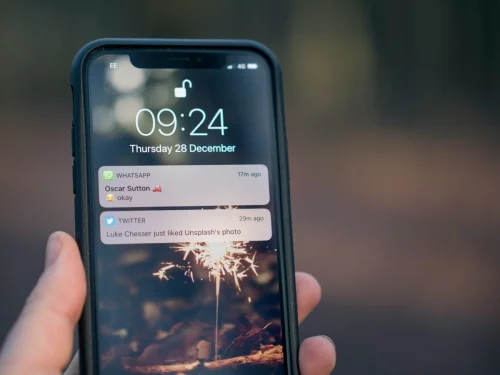
Why did this happen? The answer lies in your notifications. Every time a message popped up on your lock screen, a copy was cached in a hidden database. Even if you set messages to 'disappear' after being read, this digital ghost remained, creating a secret log of your most private conversations.
The FBI's Discovery That Forced Apple's Hand
This loophole came to light after a bombshell report from 404 Media revealed the FBI had used it to retrieve deleted Signal messages during an investigation. The news sent shockwaves through the privacy community. Signal's own president, Meredith Whittaker, publicly demanded Apple fix the issue, stating bluntly that "notifications for deleted messages shouldn’t remain in any OS notification database."
For activists, journalists, and anyone in a high-risk situation, this wasn't just a bug—it was a catastrophic failure of a promised shield. Features like disappearing messages are a lifeline, designed to protect users if their device is seized. This flaw turned that protection into an illusion.
Your Phone Was Keeping Secrets You Didn't Know About
Apple has now released a software update for iPhones and iPads, labelling the issue a bug where "notifications marked for deletion could be unexpectedly retained on the device." The company has even backported the fix to older iOS 18 software, showing the urgency of the situation.
While the technical reason for the logging remains unclear, the implication is stark: a routine function of your phone was quietly undermining your privacy. It transforms a simple notification from a convenient alert into a potential liability, storing intimate details you explicitly chose to destroy.
What This Means for Your Digital Life Going Forward
This fix is a crucial win for digital privacy, but it serves as a powerful reminder: true security is a constant battle. While Apple has closed this particular backdoor, the episode exposes how the very features designed for convenience can be twisted into surveillance tools.
The landscape of privacy is shifting beneath our feet. This incident proves that the promises of 'end-to-end encryption' and 'disappearing messages' are only as strong as the entire system's integrity—from the app to the operating system. For millions of users, updating their device is no longer just about new features; it's about reclaiming control over their digital whispers.