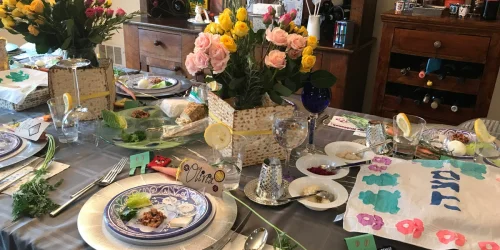
Families with both Catholic and Jewish members are navigating the logistical and cultural complexities of celebrating Easter and Passover when the holidays overlap, as they do this year. The convergence demands careful planning to honour both sets of traditions, often leading to creative culinary and ritual compromises within the home.
The primary stress stems from reconciling divergent religious observances, such as the Catholic consumption of grain-based foods during Easter and the Jewish prohibition of leavened bread during Passover. Extended family expectations and the practicalities of modern schedules, including college breaks, add further layers of difficulty to the coordination.
Bridging Traditions with Creativity
To manage the overlap, one family has devised specific hybrid practices. They host an "Erev Passover Marinara" meal featuring meatballs the night before the seder begins, satisfying Italian Catholic traditions ahead of the grain-free Passover week. While raising their children in the Jewish faith, the parents ensure Catholic traditions like colouring Easter eggs are maintained as a cherished link to maternal heritage, even if it means abbreviating parts of the seder.
Food rules are adapted for practicality. The family will eat semolina on Easter Sunday despite it falling within Passover, a concession made years prior. Similarly, the author states she will "repent and eat meat" if Good Friday falls during a seder meal, prioritising family observance over strict dietary edicts.
Focus Shifts to Family Unity
Over time, the family learned to "tune out the extended family noise" and focus on their immediate household's celebrations. The initial pressure from grandparents—who immersed the children in distinct cultural symbols like Easter baskets and Passover plague puppets—required a conscious effort to overcome.
The current approach prioritises presence and adaptation. The symbolic roasting of an egg for the seder plate occurs alongside Easter egg colouring. A favourite post-seder meal, matzoh brei, is enjoyed, but does not preclude other holiday foods. The central goal is being together, a sentiment underscored by the bittersweet awareness of children leaving home for college.
The experience highlights that beyond the superficial similarity of egg-related rituals, Easter and Passover have little in common. The journey involves balancing fluffy bunnies with plague-themed frogs, and matzoh balls with meatballs, all while ensuring neither holiday feels diminished. The ultimate resolution for interfaith families is found not in perfect observance, but in shared celebration and the conscious choice to "improvise" for the sake of family unity.