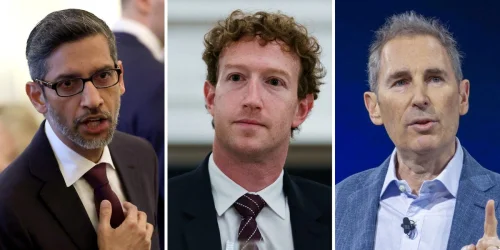
Applications for H-1B work visas at the largest technology firms in the United States fell markedly in the final quarter of last year, according to newly released federal data. The decline coincides with successive rounds of job cuts across the sector and the implementation of stricter, more costly visa regulations by the Trump administration.
Data from the US Department of Labor shows that in the first quarter of the 2026 fiscal year—covering October through December—certified H-1B applications dropped significantly compared to the same period in 2025. Amazon, historically the largest sponsor, saw its certified applications fall from 4,647 to 3,057. Other tech giants including Apple, Google-parent Alphabet, Meta, and Microsoft also recorded substantial decreases, with filings at Meta and Google falling by roughly half.
Industry-Wide Trend with One Notable Exception
The downward trend extended beyond the biggest companies. Business Insider analysis found declines in visa filings at IBM, Salesforce, and Tesla compared to the previous year. This broad reduction occurs as major tech companies, while investing heavily in artificial intelligence, are simultaneously streamlining their workforces through layoffs and hiring freezes.
Nvidia was a conspicuous outlier, increasing its H-1B filings from 369 in Q1 2025 to 434 in Q1 2026. CEO Jensen Huang has publicly stated the chipmaker's commitment to hiring immigrants following new government rules.
Policy Changes and Economic Pressures
Immigration lawyers and analysts point to two primary factors driving the decline. First, recent policy changes have made the H-1B programme more expensive and complex. Since September, the Trump administration has instituted new rules favouring the highest-paid applicants in the visa lottery and imposed a $100,000 fee on new petitions for workers residing abroad. The government stated these measures aim to reduce fraud and prioritise American workers.
Secondly, the tech industry's hiring momentum has cooled. After years of rapid expansion, many companies have entered a "leaner phase" characterised by regular layoffs. Amazon cut 16,000 corporate roles in January, following 14,000 cuts last October. Meta, Microsoft, and Google have all conducted multiple rounds of job reductions in recent years.
"I think companies are being more selective in who they sponsor," said Jason Finkelman, a Texas-based immigration lawyer.
Understanding the Data and Future Outlook
The Labour Department figures represent certified applications, not final visa approvals or selections in the annual lottery. Multiple filings can be for a single worker, and quarterly numbers can fluctuate based on hiring cycles. First-quarter filings are typically lower, as they often involve existing visa holders switching jobs or extending stays. A significant surge usually occurs in the second quarter during the H-1B lottery for the 85,000 visas awarded annually.
Despite the new rules potentially favouring large firms that can pay premium salaries, all companies now face heightened scrutiny of their visa applications. The combined effect of stricter policy and a cooler hiring climate suggests the decline in H-1B filings may persist in the near term.