Imagine opening your inbox to find a letter that gives you just three months to make a decision that could add hundreds of pounds to your monthly bills. For 7 million Americans with student debt, that isn't a nightmare scenario—it's their new reality starting this July.
A crucial lifeline, the SAVE repayment plan, has been axed. Now, Democratic lawmakers are sounding the alarm, pleading with the government to hit pause on a transition they call reckless and unaffordable. The clock is ticking, and the financial stability of millions hangs in the balance.
Why 90 Days Is "Drastically" Too Short, Warn Senators
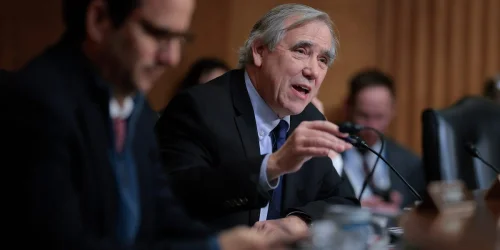
In a urgent letter to the Education Department, heavyweights like Senators Elizabeth Warren and Tim Kaine laid out the stark consequences. They argue that forcing this massive shift in such a short window will "result in millions of borrowers seeing drastically higher monthly student loan bills amidst an ongoing affordability crisis."
The SAVE plan, created under President Biden, was designed to make payments cheaper and forgiveness faster. Its elimination leaves a gaping hole. "These borrowers deserve to have the time, critical information, and support necessary," the lawmakers insisted, demanding a clearer, fairer process.
The Government's Stance: "Ample Time" vs. A "Confusing Cycle"
Officials see it differently. The department has stated the 90-day period "provides borrowers with ample time to explore repayment options." Undersecretary Nicholas Kent framed the move as providing long-awaited clarity, ending a "confusing cycle of uncertainty."
The administration's core message is blunt: "if you take out a loan, you must pay it back." But the question remains: pay back how much, and at what cost to living standards?
Your New Payment: The Staggering Math Behind "RAP"
Here’s where the rubber meets the road for family budgets. Borrowers who don't actively choose a new plan will be auto-enrolled. Their options? A new, less generous Repayment Assistance Plan (RAP) or a standard plan.
The translation is simple but shocking: for many, monthly payments are expected to soar by hundreds of dollars. It’s a direct hit to disposable income that could force impossible choices between rent, groceries, and debt.
A Double Blow: Future Borrowers Face a Credit Crunch
The upheaval doesn't stop with current debtors. Looking ahead, new borrowing caps will limit how much students can take out for advanced degrees like medicine or law. Experts warn this could slam the door on postgraduate dreams, pushing some towards the risky world of private lenders or out of education altogether.
The next few months will reshape the financial futures of a generation. As the July deadline looms, the debate isn't just about policy—it's about the real-world cost of uncertainty and who gets to afford their ambition.