Picture this: the fate of a fledgling nation, hanging by a single, gargantuan iron chain. This isn't a scene from a film; it's the pivotal, untold story of West Point. While you know it as America's elite military academy, its true origin is a breathtaking tale of wartime genius that secured your country's independence.
Why does a military school from 1802 matter to you today? Because the strategic cunning born here didn't just win a war—it forged the unbreakable character of the US Army's leaders for centuries. From the presidents and generals it trained to the values it instills, West Point's legacy is woven into the very fabric of modern America.
The 65-Ton Secret Weapon That Deterred an Empire
Perched above the Hudson River's most treacherous bend, West Point was George Washington's masterstroke. He knew controlling this "S"-shaped turn was key to survival. His solution? A 1,700-foot, 65-ton iron chain, requiring 270 men to deploy, stretched across the river to block British warships. "Washington knew if those ships were fighting the ebbing tide, the narrow channel, and the swift current, there would be no better place to shoot at them than from West Point," a tour guide revealed. It worked perfectly.
Benedict Arnold's Betrayal and the Academy's Birth
When the British couldn't break the chain, they turned to treachery. The infamous traitor Benedict Arnold, then in command at West Point, conspired to surrender the fortress. His plot was exposed, but the close call proved a permanent garrison was needed. This led directly to Congress authorising the United States Military Academy in 1802, founded to create leaders of unwavering loyalty.
Inside The "Long Gray Line": Where Legends Are Forged
Walking the grounds, you feel the weight of history—what cadets call "The Long Gray Line." The bar for entry is staggering: a **10% acceptance rate**, a Congressional nomination, and passing brutal academic, physical, and medical exams. In return, cadets receive a world-class, tuition-free education. The catch? An eight-year service commitment: five years active duty, three in the reserves.
The training is relentless. Cadets navigate a 13,000-acre military reservation for field exercises and adhere to strict traditions, like formal mealtime etiquette where freshmen serve upperclassmen. The student-to-instructor ratio is an intimate six-to-one, with 75% of the 500 teachers being active garrison members.
From Gothic Chapels to Cyber Warfare: A Campus of Contrasts
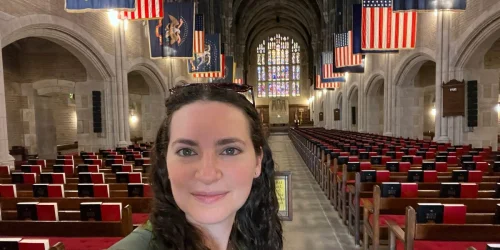
The campus is a living museum. You'll find the Gothic Revival chapel, its 1,500 seats marked by every superintendent's signature since 1910, and a library where books are spaced with a wooden board for perfect alignment. Yet, this historic site is fiercely modern. "Cyber warfare is the latest thing in national defense, so West Point's getting ready," a guide said, pointing to a new $250 million engineering centre focused on the digital battlefield.
How a Tree and a Statue's Spurs Define Cadet Spirit
The soul of West Point lives in its quirks. Cadets sneak out to spin the spurs on a statue of Major General John Sedgwick for luck before exams. Class rings contain melted-down gold from alumni, linking generations. A towering tree, a gift from the class of 1888, stands as a silent witness to centuries of cadets. It’s a place where **"Duty, Honor, Country"** is not just a motto in a stained-glass window, but a lived creed.
As America approaches its 250th anniversary, West Point stands as more than a school or a base. It is, as tour manager Amanda Bundt stated, "one of the reasons we are a country." It is the physical embodiment of the strategic foresight that won independence and the relentless engine that continues to produce the guardians of that freedom. The lessons forged here—in loyalty, strategy, and sacrifice—will define the nation's security for the next 250 years.