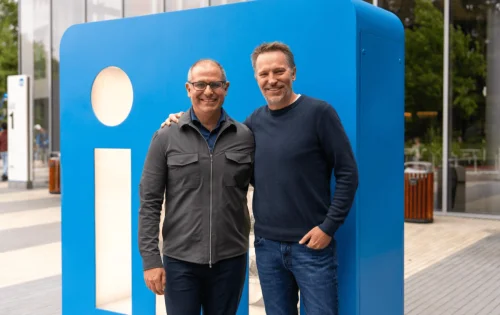
Imagine running the world's largest professional network, steering it through a global pandemic, and more than doubling its revenue to over $17 billion. Then, you step down. What happens next? For Ryan Roslansky, LinkedIn's now-former CEO, the answer is far more surprising than a simple retirement.
After six years at the helm, Roslansky handed the reins to Chief Operating Officer Dan Shapero on Wednesday. But this isn't a story of failure or burnout. It's a tale of a mission accomplished so spectacularly that it fundamentally changed what LinkedIn—and your career—means today.
From Pandemic Chaos to a Social Media Juggernaut
Roslansky took charge in June 2020, inheriting a platform with 700 million members. He leaves it with a staggering **1.3 billion users worldwide**. But the real shift wasn't just in numbers; it was in identity. Under his watch, LinkedIn completed its metamorphosis from a "glorified jobs board" into a full-blown social network.
Think about your own feed. It's no longer just CVs and job postings. It's where executives share deeply personal essays, post career advice, and yes, occasionally share emotional, tearful video tributes. "You may have feelings about that," the original report notes, "millions of people apparently do." This emotional, human layer is Roslansky's legacy.
So, Why Step Down If You're Winning?
Here’s where the plot thickens. Don't feel too bad for Roslansky. In a revealing LinkedIn post, he indicated his role within parent company Microsoft is actually expanding. Dan Shapero, the new CEO, will now report directly to him.
This suggests a strategic promotion, not an exit. Roslansky, who was one of former CEO Jeff Weiner's first hires back in 2009, is moving to oversee the very empire he helped build into a revenue powerhouse. It’s a masterstroke in corporate succession planning.
What This Power Shift Means for Your Career
The implications are huge. With Shapero—a longtime COO focused on operations—now in charge, expect LinkedIn to become even more streamlined, data-driven, and integrated with Microsoft's vast suite of tools like Teams and Office. The platform that defines professional identity is poised to become more central to your daily work life than ever before.
One era ends, but the architect of its success isn't leaving the building. He's just moving to a bigger office with a view of everything. The real question now is: how will this quiet power shift change the way you network, hire, and build your career in the years to come?