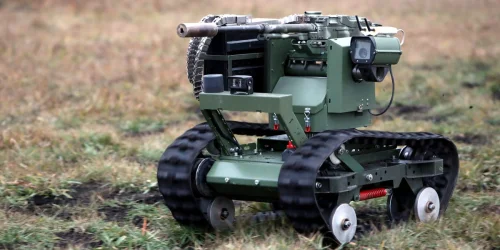
The Ukrainian Ministry of Defence has reported a dramatic surge in the use of uncrewed ground vehicles (UGVs), with missions tripling in the last five months. In March alone, these systems executed over 9,000 combat and logistics missions on the front lines, contributing to a total of more than 21,500 missions in the first quarter of the year.
The ministry stated that the number of military units deploying UGVs has also nearly tripled, rising from 67 units in November to 167 units in March. This rapid adoption underscores a strategic adaptation as Ukraine faces severe manpower shortages and the persistent danger of small drones in combat zones.
Frontline Units Lead Adoption
According to data from Ukraine's DELTA battle management system, four of the top five UGV-deploying units are combat brigades known to be operating on the eastern and northeastern fronts. The other leading unit is the 1st Separate Medical Battalion, part of the International Legion, which has pioneered the use of UGVs for evacuating wounded soldiers from the battlefield.
Uncrewed ground vehicles are remotely controlled, tracked or wheeled systems designed to perform dangerous tasks without risking human lives. Their roles include delivering supplies and ammunition, clearing mines, holding positions, and retrieving casualties.
A Response to Strategic Challenges
The expansion of UGV use comes as the war enters its fifth year, with both Ukraine and Russia struggling to sustain infantry operations. While Ukraine signalled its intent to increase UGV deployment as early as 2024, widespread recognition and dedicated units within brigades have only materialised in the last year. Russian forces have also been deploying similar systems.
Despite the significant growth, the scale of ground drone operations remains far below that of aerial drones. In November last year, Ukraine's commander-in-chief, General Oleksandr Syrskyi, reported that troops had carried out over 304,000 missions using uncrewed aerial vehicles (UAVs).
The Future of Ground Warfare
The ministry's figures highlight a tangible shift towards greater automation in ground combat. The tripling of missions and deploying units within a single quarter suggests this trend will accelerate as technology evolves and the urgent need to preserve personnel continues.
Military analysts suggest that UGVs will become an increasingly standard element of frontline operations, filling critical gaps in logistics, medical evacuation, and direct combat support where human exposure is deemed too high.