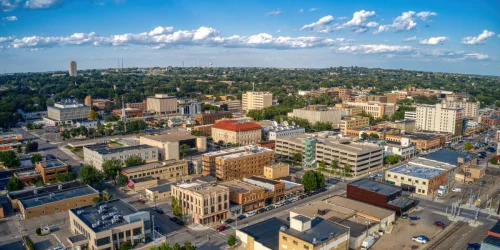
A new analysis has identified the US cities where renters will face the most affordable housing costs in 2026, spending a far smaller portion of their income compared to national averages. The study by personal finance website WalletHub ranked 182 cities based on the share of median income spent on median gross rent.
On average, residents in the 31 most affordable cities spend just 18.5% of their income on rent, well below the 23.46% average across all measured cities and the recommended 30% threshold. In contrast, renters in the most expensive cities, including Miami, Detroit, and Newark, can spend up to 33.8% of their income.
The 30% Rule and National Disparities
The findings highlight a stark divide in housing affordability across the United States. The study applied a common financial guideline, as explained by Maggie Rong Hu, an assistant professor of real estate at Baruch College in New York.
"A general rule of thumb is that rent should not exceed 30% of the median income," Hu stated in the study. "This ensures that renters can comfortably afford their housing without sacrificing other essential living expenses."
WalletHub's methodology used U.S. Census Bureau data on median annual gross rent and median household income for each city surveyed. The ranking included the 150 most populous US cities and at least the two most populous cities in each state.
Top Performers in Housing Affordability
The list of affordable cities is led by locations where residents spend between 15.29% and 20.10% of their income on rent. The city with the lowest burden allocates just 15.29% of median income to housing costs, representing a significant financial advantage for its residents.
These cities benefit from a combination of relatively lower rental prices and/or higher median incomes, creating a more sustainable cost-of-living equation. The data suggests that while some rental markets are cooling, affordability efforts vary dramatically by location.
Context and Future Implications
The report underscores that "not every city is built the same, and that's also true of rental markets." It arrives amid ongoing national discussions about housing affordability, rising living costs, and regional economic disparities.
For policymakers and urban planners, the study provides a clear snapshot of which cities are currently succeeding in keeping housing costs manageable for renters. The significant gap between the most and least affordable cities points to the localized nature of the housing crisis and the need for targeted solutions.