Amid ongoing airport disruptions and high fuel prices, many travellers are reconsidering summer plans. However, a wealth of unique and visually stunning destinations exists within the United States itself, often bypassed by mainstream tourism.
These locations—ranging from challenging hikes to remote national parks—offer comparable beauty to famous sites but with significantly fewer visitors. Their appeal lies in providing distinctive natural or historical encounters away from crowded hotspots.
Natural Wonders and Geological Marvels
Several sites showcase the country's diverse geology. In Nevada, the Fly Geyser on Fly Ranch Property is a man-made accident from a 1964 drilling attempt that hit geothermal water, resulting in a constantly growing, algae-coloured mound viewable on guided walks from April to October.
Oregon's Thor's Well is a dramatic, large hole in a rock that drains ocean water, creating a dangerous spectacle during high tide. Its hazardous conditions make photographs rare, contributing to its obscurity.
Wyoming's Grand Prismatic Spring in Yellowstone National Park is the largest hot spring in the US, featuring vibrant, rainbow-like colours from microbes thriving in its 160°F (71°C) waters.
Secluded Parks and Remote Escapes
For isolation, Dry Tortugas National Park, 70 miles off Key West, Florida, is accessible only by ferry or seaplane. The 19th-century Fort Jefferson sits on this island, offering historic exploration and peaceful beaches.
In Alaska, the shimmering blue Mendenhall Glacier ice caves near Juneau provide a unique frozen world, accessible only under specific conditions via guided hikes.
White Sands National Park in New Mexico features a surreal landscape of white gypsum dunes, some reaching 60 feet high, forming the largest gypsum desert on Earth.
Challenging Hikes with Major Payoffs
Several destinations reward physical effort. California's Fern Canyon in Prairie Creek Redwoods State Park requires a difficult hike but offers a lush, fern-covered canyon with waterfalls, footbridges, and abundant wildlife.
Oregon's Abiqua Falls Trail leads daring hikers down a steep descent to a bright, secluded swimming hole at the waterfall's base.
In Colorado, the Blue Lakes Trail winds through wildflower meadows to three alpine lakes, with the middle and upper lakes offering 360-degree views of the glacial basin.
Historical and Cultural Gems
The Taos Pueblo in New Mexico, a UNESCO World Heritage Site, features multi-storied adobe buildings continuously inhabited for over 1,000 years, constructed from straw, water, and earth.
In New York City, The Met Cloisters in Fort Tryon Park houses medieval European art and architecture within reconstructed French cloisters, offering a serene, historical escape.
Georgia's Jekyll Island boasts a 250-acre historic district, including the Gilded Age Jekyll Island Club, alongside picturesque beaches like Driftwood Beach.
Seasonal and Regional Highlights
Seasonal changes reveal unique vistas. Arizona's red rocks take on a different character with a light dusting of snow in winter, a contrast to the typical sun-baked imagery.
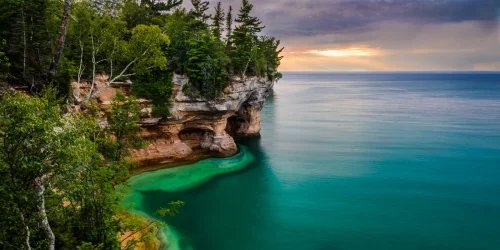
At Michigan's Pictured Rocks National Lakeshore, the ice caves form along Lake Superior's red sandstone cliffs in winter, accessible only when conditions allow safe passage across the frozen lake.
In New England, New Hampshire's Mount Washington can be summited via the historic Cog Railway, offering 360-degree views of five states, Canada, and the Atlantic Ocean, especially vibrant during autumn foliage.
These destinations underscore that memorable travel often lies just off the beaten path, requiring only extra effort or local knowledge to discover. Their preservation relies on responsible tourism and, in some cases, a degree of discretion to maintain their unique character.