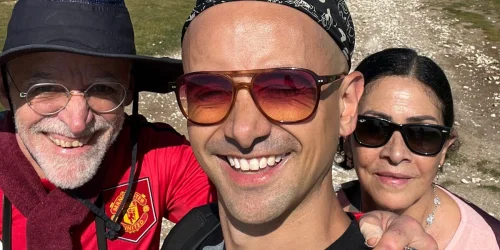
A Mexican professional's decision to move abroad, first to New York and later to London, fundamentally altered their relationship with their parents. The physical distance transformed casual, daily interactions into scheduled, meaningful conversations and annual visits laden with new significance. This separation provided the space for unexpected reflection, empathy, and personal growth for all parties involved.
The individual, who grew up in a typical Latino family environment where closeness was the default, had never deeply analysed the parent-child bond while living at home. The constant proximity meant the relationship was simply a fact of life, woven into mundane routines like kitchen chats and shared daily life, rather than something requiring active maintenance or examination.
The Mechanics of Distance
Upon moving abroad, the relationship's mechanics changed entirely. Communication shifted from constant background noise to deliberate appointment. Phone calls became pre-arranged events where both parties actively listened, a stark contrast to the passing interactions of cohabitation. Similarly, visits home, reduced to once or twice a year, carried immense weight, eliminating time for trivial disagreements and fostering a focus on being fully present during precious, limited time together.
Independence and Empathy
The move catalysed the individual's transition into full adulthood, marked by sole responsibility for rent, immigration paperwork, and building a new life in an unfamiliar country. This newfound independence altered their perspective on their parents' past decisions. "I started to see them not just as my parents, but as people navigating their own pressures, limitations, and fears while trying to raise a family," the individual reflected, leading to greater empathy and understanding.
This shift in perspective made past frustrations feel smaller and facilitated a natural move towards forgiveness. The physical distance did not erase history but created an environment where understanding could flourish more easily for both the adult child and the parents.
Unspoken Words and Shifting Perceptions
A surprising consequence was the realisation of all the unspoken sentiments. Assumed gratitude and unvoiced pride, once thought obvious, now demanded expression. "Distance made me realise that the obvious things are often the ones that go unspoken the longest," they noted, prompting them to start articulating these feelings directly.
Concurrently, the individual began to perceive changes in their parents, noticing the subtle signs of ageing that are only visible after prolonged absence. This forced a recognition that their parents were not static figures but people still evolving, a realisation that fostered warmer, more honest communication during visits and calls.
A Relationship Reforged
The ultimate outcome was a relationship reforged with greater clarity and depth. The love that had always existed was now seen and appreciated more fully. The individual expressed a profound gratitude for the very distance that taught them to value the people who had loved them the longest, concluding that the miles between them provided the necessary perspective to never take that bond for granted again.