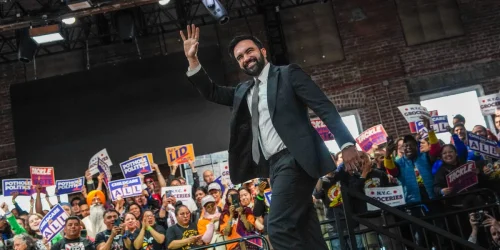
New York Governor Kathy Hochul and New York City Mayor Zohran Mamdani have unveiled a proposal for a new tax targeting high-value second homes in the city. The so-called "pied-à-terre" tax would apply to properties worth over $5 million whose owners primarily reside outside of New York City. The plan, which requires state legislative approval, is projected to raise at least $500 million in annual revenue.
Mayor Mamdani announced the proposal in front of billionaire Ken Griffin's $238 million apartment on Central Park South, criticising wealthy individuals who "reap the huge financial rewards of owning property in... the greatest city in the world" while their units often sit empty. Griffin, the CEO of Citadel, primarily lives in Miami.
Aiming at Affordability and Equity
Both leaders frame the tax as a step toward narrowing the city's wealth gap and funding affordability agendas focused on housing and childcare. "When I ran for mayor, I said I was going to tax the rich," Mamdani stated. "Well, today we're taxing the rich." The revenue is intended to support public services like subways, schools, and infrastructure.
Morris Pearl, Chair of the pro-wealth-tax group Patriotic Millionaires and a former BlackRock managing director, endorsed the logic. "The kind of thing we need is more taxes on the rich people... And I'd certainly define people who own homes that they're not living in as part of the rich," he told Business Insider.
Scale and Potential Market Impact
The exact number of affected properties is unclear. A 2023 New York City Housing and Vacancy Survey found approximately 59,000 units designated for "seasonal, recreational, or occasional use," but this does not specify value. Governor Hochul estimates around 13,000 units would be subject to the tax, while real estate appraiser Jonathan Miller suggests a range of 12,000 to 15,000 eligible properties.
Miller believes the tax will "dent demand for higher-end property" but not cause a dramatic or cascading impact on the broader market. "I'm confident that this isn't the beginning of the end for New York," he said, noting such costs would likely become baked into the market over time.
Historical Context and Political Hurdles
This is not the first attempt at a pied-à-terre tax in New York. Manhattan Borough President Brad Hoylman-Sigal spearheaded similar efforts in 2014 and 2019. "If you can afford a $5 million second home, you should appropriately contribute to the subways, schools, and public services that protect and sustain your investment," Hoylman-Sigal argued. Major cities like Vancouver and Paris have implemented similar taxes on non-primary residences.
Governor Hochul's support marks a rare moment of tax policy alignment between the city and state. However, significant budget challenges remain. Emily Eisner, acting executive director of the Fiscal Policy Institute, noted that while $500 million is significant, "it's not the size that the mayor needs to fill the budget gap or fund the broader affordability agenda."
Mayor Mamdani has indicated that without Albany's backing for new revenue streams, raising property taxes more broadly remains "a tool of very last resort." The proposal represents a potential first step in addressing the city's fiscal shortfall while targeting wealth stored in vacant luxury real estate.