More than 10,000 bodegas, the iconic corner stores that serve as community staples across New York City's five boroughs, are fighting for survival. The century-old industry faces a triple threat from soaring rents, intense competition, and a new city-run grocery initiative proposed by New York State Assemblymember Zohran Mamdani. Behind this battle are the family-run businesses that form the backbone of the trade, from the bodegas themselves to the suppliers that keep them stocked.
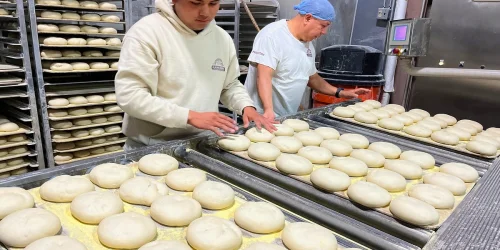
Among them is a fourth-generation bakery, a quintessential mom-and-pop operation, which has built its business on supplying fresh bread to the city's vast network of corner stores. These establishments, often run by immigrants and passed down through families, are hustling to adapt and remain viable in a rapidly changing urban landscape.
The Immigrant-Built Backbone of NYC
Bodegas are not merely convenience stores; they are one of New York City's oldest and largest neighbourhood institutions. For over a hundred years, they have been run and built by successive waves of immigrants, embedding themselves as essential community hubs. The more than 10,000 stores provide not just groceries and sandwiches, but also social connection and informal support networks within their localities.
The proposed public grocery programme, championed by Assemblymember Zohran Mamdani, represents a significant new challenge. While aimed at addressing food deserts, the initiative is viewed by many independent store owners as direct state competition that could further squeeze their already thin margins.
A Supply Chain Under Pressure
The family-run bakery supplying these stores operates in a precarious ecosystem. As bodega owners grapple with rising commercial rents and competition from chain pharmacies and delivery apps, their orders to traditional suppliers become less predictable. "We've been doing this for four generations, but the pressure has never been like this," a representative from the bakery stated, highlighting the knock-on effects of the bodegas' struggles.
This symbiotic relationship is crucial: the bakery's survival is tied directly to the health of the bodega industry. The decline of one threatens the other, risking the erosion of a localised supply chain that has defined New York's neighbourhood commerce for decades.
Innovation and the "Next Hit Sandwich"
In response, bodegas are innovating to stay relevant. A key strategy involves developing proprietary food items, like the "next hit sandwich," to draw in customers seeking unique, affordable meals. This culinary creativity, often stemming from family recipes, is a direct attempt to compete with homogenised chain offerings and maintain a loyal customer base.
This move from pure retail to food service requires investment and culinary skill, pushing these small businesses into new operational territories. Success in this arena can mean the difference between closing down and thriving, as it adds a layer of value that large chains cannot easily replicate.
The Stakes for New York's Urban Fabric
The outcome of this struggle has implications beyond commerce. Bodegas are community pillars, often the first point of contact for new immigrants and a consistent presence in neighbourhoods undergoing gentrification. Their potential disappearance would represent a significant shift in the city's social and economic landscape.
While the city and state explore policies like Mamdani's grocery initiative, the future of these independent stores and their suppliers remains uncertain. Their continued existence hinges on a complex balance of market forces, regulatory decisions, and the enduring loyalty of New Yorkers who value these institutions as more than just places to shop.