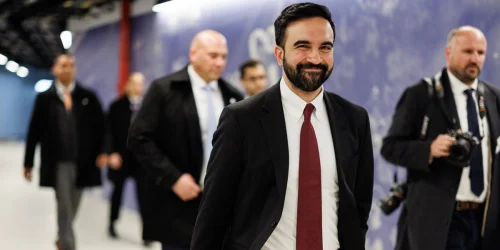
A proposed New York City tax on ultra-expensive second homes has ignited a fierce backlash from prominent business and financial figures. The plan, introduced by Governor Kathy Hochul and Mayor Zohran Mamdani, would apply a levy on properties valued above $5 million that are not primary residences.
Mayor Mamdani stated the so-called pied-à-terre tax is expected to raise approximately $500 million annually to fund priorities including childcare, transportation, and public safety. The proposal has not yet been enacted, and no implementation dates were provided. Governor Hochul estimated around 13,000 properties would be affected.
Investors and Executives Sound Alarm
The announcement triggered a wave of criticism on social media platform X. Austin-based entrepreneur Jason Calacanis wrote "NYC is cooked," capturing the sentiment of many detractors. Hedge fund manager Daniel Loeb retweeted a post by Florida Senator Ashley Moody featuring a close-up of Mayor Mamdani with the caption, "last thing you see before you move to Florida."
New York-based hedge fund billionaire Bill Ackman warned of unintended economic consequences. "Non-residents who spend millions of dollars on NYC apartments help drive NYC's economy," he wrote on X, arguing the policies would harm the very constituencies Mamdani aims to help.
Former X CEO Linda Yaccarino, based in New York, called the mayor's announcement video "actually one of the scariest things I have seen."
A Political Flashpoint on Wealth and Taxation
The tax has become a focal point in a broader debate over wealth, taxation, and New York City's economic future. Supporters frame it as a targeted measure on high-value properties owned by part-time residents. Critics, including Calacanis, have labelled it "class warfare."
In his announcement video, Mayor Mamdani pointed to Miami-based Citadel CEO Ken Griffin's $238 million penthouse as an example of the targeted properties. The clip, posted on April 15, has become the most-viewed video from the mayor's office, according to Olivia Becker, the office's director of video.
The proposal also drew criticism from national political figures. Former President Donald Trump said Mamdani is "DESTROYING New York" on Truth Social, while Texas Senator Ted Cruz suggested it would drive wealth to states like Texas and Florida.
Expert Analysis on Potential Impact
Eric Chaffee, a professor of tax and business law at Case Western Reserve University, told Business Insider the early proposal is a political victory for Mamdani but its practical benefit is unclear. He cautioned that the predicted $500 million revenue is "an aggressive number" that assumes wealthy individuals will not find legal ways to circumvent the tax.
While some departures to other American cities may occur, Chaffee doubted a mass exodus. "Manhattan's a wonderful place to be... this is unlikely, really, to affect New York City that much in terms of making the ultrawealthy leave," he said, noting many may choose to pay the tax to remain.
Commercial real estate data from firm JLL shows demand for leased office space in Manhattan is up and vacancies are down since Mamdani took office, continuing a pre-existing trend.
Next Steps and Unanswered Questions
The tax proposal remains in its early stages. Representatives from Mayor Mamdani's and Governor Hochul's offices did not immediately respond to requests for comment from Business Insider. The plan's final structure, legal challenges, and ultimate impact on city revenue and residency patterns are yet to be determined.
Meanwhile, the debate has spurred speculation about political repercussions. Jason Calacanis, who moved from San Francisco to Austin in 2024, floated the idea of a potential mayoral run, writing he'd be "tempted to come back and fix this mess." Linda Yaccarino responded that she'd be "happy to help."