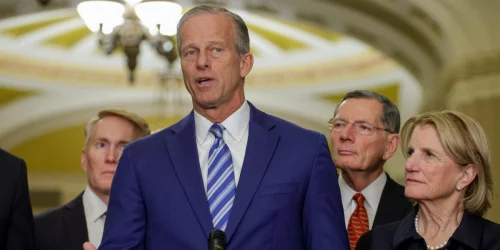
The United States Senate has voted to advance a deal to fund most of the Department of Homeland Security (DHS), moving to end a partial government shutdown. The agreement, reached on 27 March, excludes funding for immigration enforcement operations, a core point of political dispute.
The partial shutdown began at midnight on 14 February after lawmakers failed to agree on immigration enforcement measures. It has left essential workers at agencies including the Transportation Security Administration (TSA), the Federal Emergency Management Agency (FEMA), and the Coast Guard without pay.
Deal Details and Immediate Impact
The Senate deal funds airport TSA workers but specifically excludes funding for the enforcement and removal operations division of Immigration and Customs Enforcement (ICE). The legislation now moves to the House of Representatives for a vote before potentially reaching the desk of President Donald Trump.
Ha Nguyen McNeill, the top TSA official, testified to Congress on 25 March that staffing shortages have led to the "highest wait times in TSA history." She stated the agency has lost more than 480 officers since the shutdown began.
This shortage has resulted in significant travel disruptions nationwide, with travellers experiencing extended waits as TSA workers called out sick or quit. Delta Air Lines cited the shutdown when suspending some specialty services for members of Congress from 24 March.
Political Hurdles and Presidential Opposition
The path to a deal faced significant obstacles. An initial agreement fell apart on 25 March after failing to clear a procedural vote in the Senate. Furthermore, President Trump expressed strong opposition to any deal that does not include the unrelated SAVE America Act, which proposes an overhaul of the federal elections system.
"I think any deal they make, I'm pretty much not happy with it," Trump said on 24 March, indicating potential difficulties for the bill should it reach his desk.
Next Steps and Broader Context
Following the procedural vote to advance the bill, the Senate must hold a final vote to officially pass the legislation. It will then proceed to the House. The ongoing impasse highlights deep political divisions over immigration policy, which have repeatedly triggered funding crises for key US government departments.
The deal represents a temporary measure to restore pay for thousands of federal employees and stabilise critical security operations, but it leaves the underlying policy conflict unresolved.