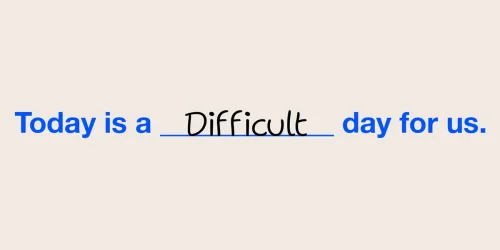
The parent company of Snapchat is cutting approximately 10% of its global workforce, equating to around 540 employees, as part of a restructuring plan. In a statement, Snap Inc. cited the need to "invest incrementally" in its growth over time and to "best position our business to execute on our highest priorities."
Chief Executive Officer Evan Spiegel referenced the evolving technological landscape, stating the company must adapt to "rapid advancements in AI and machine learning." The layoffs follow a significant decline in the company's market value, with Snap's stock down 25% year-to-date and more than 90% from its all-time high in 2021.
A Familiar Corporate Narrative
Snap joins a growing list of technology firms, including Block and Atlassian, that have explicitly referenced artificial intelligence as a factor in workforce reductions. The announcements share a common rhetorical structure, often framing the cuts as a difficult but necessary step to secure the company's future in an "AI-first" business environment.
Industry analysts note that while AI-driven efficiency is a stated reason, broader market pressures and stock performance are significant concurrent factors. "We could argue over whether these cuts are actually AI-related," observed Business Insider, pointing to Snap's steep stock decline despite its popularity as a messaging platform among younger demographics.
The Human and Strategic Impact
For affected employees, Snap has stated it is "providing separation compensation, notice periods, and other benefits" to support the transition. The company expects to incur pre-tax charges of $55 million to $75 million, primarily for severance and related costs.
The strategic shift underscores a wider industry trend where executives are publicly linking organisational restructuring to the adoption of artificial intelligence. This narrative positions AI not just as a tool for innovation, but as a catalyst for operational changes that directly impact staffing models and business priorities.
Context and Future Outlook
The layoffs occur amidst a volatile period for the social media sector, with companies balancing investment in new technologies against investor expectations for profitability. Snap's move reflects an attempt to streamline operations and reallocate resources toward its strategic priorities in augmented reality and advertising platforms.
As the integration of AI accelerates across industries, the pattern of citing technological advancement in corporate restructuring announcements is likely to continue, blending operational necessity with forward-looking corporate messaging.