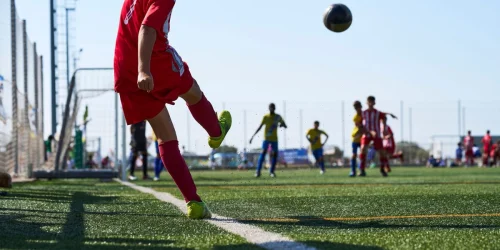
A primary school teacher's consistent attendance at her students' weekend sports games has been credited with significantly boosting a child's confidence and transforming his attitude towards school. The educator, who taught a fourth-grade class in the 2024-2025 academic year, made a practice of showing up to support pupils outside of mandatory school hours.
The impact was profoundly felt by one nine-year-old boy, who began the school year with typical apprehension about his new, authoritative teacher. His mother, a former speech-language pathologist, noted the dramatic shift in his demeanour and academic engagement as the year progressed, directly linking it to the teacher's extracurricular involvement.
From Apprehension to Assurance
Initially, the student found the adjustment to his teacher's structured and firm classroom management challenging. "I don't think she likes me," he told his mother in early September after being reprimanded for talking. However, the dynamic began to change when the teacher first attended his Saturday soccer game, arriving with her own family.
She explained to the boy's mother that she encouraged students to share details of their games and performances so she could support them. Each subsequent game she attended visibly lifted the child's spirits. "His face lit up," his mother observed, noting that his performance seemed to intensify when he knew his teacher was watching from the sidelines.
A Commitment Beyond the Classroom
The teacher's support extended beyond the soccer field. She provided her personal phone number to the boy's mother, insisting she could call anytime. In class, she tailored rewards to individual interests, having the student recite U.S. presidents in chronological order to earn a movie for his classmates.
She also used her own funds to organise small group pizza lunches, ensuring every pupil received personalised attention. The school year culminated in a party she hosted to celebrate what the mother described as "the most impactful year my son had at his elementary school."
Lasting Impact and Legacy
The effects persisted into the following academic year. As a fifth-grader in September 2025, the student visited his former teacher's classroom every morning for reassurance. She continued to attend his milestone events, including a championship soccer game and an orchestra concert, even after he was no longer in her class.
In a letter written at the start of fourth grade, which his mother later found, the boy expressed his gratitude: "It is very nice of you to go to people's sporting events. You make me feel like everything will be alright." The teacher herself expressed a hope that her students would remember her, a sentiment the mother firmly endorsed.
The educator's actions demonstrated a model of support that transcended academic instruction, proving that a teacher's presence during personal milestones can cement a student's sense of self-worth and belonging. Her approach highlights the significant role educators can play in the holistic development of children, influencing their confidence long after they leave the classroom.