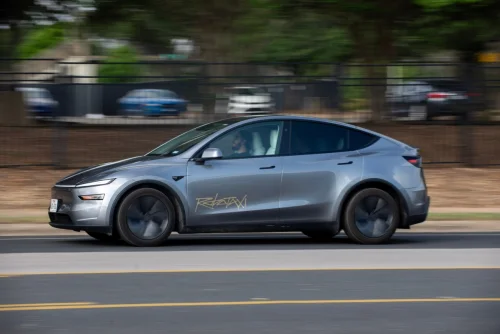
Tesla has launched its fully autonomous robotaxi service in the US cities of Dallas and Houston, the company announced via a social media post on Thursday. The expansion means the electric vehicle manufacturer now offers driverless ride-hailing in three major metropolitan areas, all located within the state of Texas.
The announcement was made with a brief post stating "Robotaxi is now rolling out in Dallas & Houston 🤠", accompanied by a 14-second video showing Tesla vehicles operating without a human safety driver in the front seat. The service initially launched in Austin last year and began offering rides without safety drivers in January 2026.
Safety Record and Limited Fleet
This expansion follows a February regulatory filing in which Tesla reported its Austin robotaxis had been involved in 14 crashes since the service's launch. The company has not released comparable safety data for the new Dallas and Houston operations.
Current service appears limited. Data from the crowdsourced Robotaxi Tracker website indicates only a single active vehicle was logged in each of the new cities as of Thursday, compared to 46 vehicles registered in the more established Austin market.
Strategic Focus on Texas
Tesla's decision to concentrate its initial robotaxi rollout in Texas may be influenced by the state's regulatory environment. Texas has been seen as more permissive regarding autonomous vehicle testing compared to other US states, such as California.
Outside of Texas, Tesla operates a more limited ride service with human drivers present in the San Francisco Bay Area. The company has not announced a timeline for expanding its driverless service to other states or international markets.
Context and Industry Position
The move represents a significant, though cautious, step in Tesla's long-stated ambition to dominate the future of autonomous mobility. CEO Elon Musk has repeatedly predicted a future where Tesla's "Full Self-Driving" software would enable a massive fleet of robotaxis.
Analysts suggest the phased, Texas-centric approach allows Tesla to refine its technology and operational protocols in a controlled environment before attempting a wider national or global deployment. The company faces competition from other autonomous vehicle developers, including Waymo and Cruise, which operate in other US cities.