Remember when robotaxis were just around the corner? The promise of a driverless future felt imminent, a revolution perpetually five years away. Today, that conversation has undergone a silent, seismic shift. The dream hasn't died—it's just gotten a lot more boring, and that's exactly why it might finally succeed.
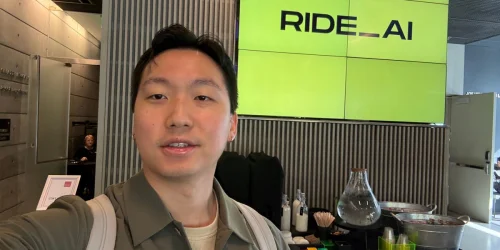
At a recent autonomous vehicle conference in San Francisco, the buzz wasn't about flashy AI or sci-fi timelines. Instead, over 300 industry insiders debated infrastructure, operations, and profit margins. As one executive bluntly put it, they're now focused on the "unsexy" side of the business. The question is no longer *if* the technology works, but *how* to make money from it.
From Hype to Hard Reality: The Tourists Have Left
The change in tone is stark. A decade ago, companies insisted on building every part of the ecosystem themselves, a wildly expensive endeavour. Now, a week barely passes without a new partnership between a robotaxi startup and a major ride-hailing firm. "We saw a lot of very smart engineers... just throwing themselves at the technical challenge without really thinking through the end markets," said Lior Ron, COO of Waabi. The industry, he admits, overpromised and underdelivered.
The fallout was severe. High-profile safety incidents, like the Uber test vehicle that killed a pedestrian, and missed deadlines shattered public trust. Legacy automakers like GM and Ford shuttered their ambitious projects. Apple walked away. The survivors are those who have moved past the hype cycle. "The tourists left a long time ago," remarked Ro Gupta of Toyota's Woven Capital.
One City, One Glimpse of the Future
So, where does this "grown-up" industry stand? For the average person, the experience remains a novelty. In the entire United States, only Waymo operates as a serious, daily alternative to human-driven ride-hailing. But progress is tangible in one specific place.
"If a family member asks me about it, I say, 'Just forget what I tell you. Go to San Francisco, Phoenix, or Miami and experience it for yourself,'" Gupta told Business Insider. "We weren't able to say that until very recently." In San Francisco, you can now see a street lined with vehicles from Waymo, Tesla, Wayve, and others—a living lab of a future that is, for now, unevenly distributed.
The focus has narrowed to scaling what works. The next five years, leaders say, will be defined not by breakthrough announcements, but by the gritty work of building a viable business. Robotaxis are not yet profitable, but the players left at the table are the ones driving real, driverless miles and forging the partnerships needed to survive.
The grand promise of a global robotaxi fleet remains distant. Yet, the industry's quiet pivot from technological marvel to commercial pragmatism may be the most significant step it has ever taken. The future is being built not in headlines, but in spreadsheets, operational plans, and the quiet hum of a driverless car on a San Francisco street—ready for you to try.