Hurricanes in the 21st century have inflicted unprecedented financial and human tolls across the United States and the Caribbean. A new analysis, adjusting historical storm cost data for inflation to 2026 dollars, reveals the 15 most economically devastating hurricanes to strike the US since the year 2000. The ranking underscores a trend of increasingly destructive storms, fuelled by factors like rapid intensification and rising sea temperatures.
The National Oceanic and Atmospheric Administration (NOAA) provided the unadjusted cost data, which was then converted using the Bureau of Labor Statistics' consumer price index calculator. The list spans from Hurricane Rita in 2005 to the more recent Hurricane Milton in 2024, with cumulative damages exceeding **$1.1 trillion**.
Katrina Remains the Benchmark for Devastation
Topping the list is Hurricane Katrina (August 2005), with an inflation-adjusted cost of approximately **$200 billion**. The storm flooded 90,000 square miles of the Gulf Coast—an area larger than Minnesota—and caused the catastrophic failure of New Orleans' levee system. An estimated **1,200 people died**, and a Louisiana State University report found 40% of the 1.5 million evacuees from Louisiana, Mississippi, and Alabama never returned.
Following Katrina, Hurricane Harvey (August 2017) ranks as the second-costliest, causing widespread, unprecedented flooding in Houston, Texas. The storm generated at least **9 trillion gallons of rain**, leading to 107 deaths, including 103 in Texas.
Recent Storms Highlight Evolving Threats
The list includes several major hurricanes from recent years, indicating the ongoing severe risk. Hurricane Ian (September 2022) became the costliest hurricane in Florida's history, with storm surges up to 15 feet causing **$120 billion** in damage and 161 fatalities.
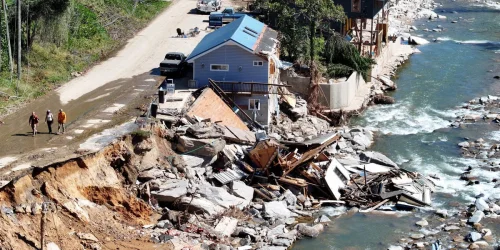
More recently, Hurricane Milton (October 2024) caused billions in damage in Florida with 140-mph winds and over 100 tornadoes in a single day. It resulted in **42 deaths**. Hurricane Helene (September 2024) was the deadliest mainland US hurricane since Katrina, causing at least **250 deaths** across seven states, including catastrophic inland flooding in Asheville, North Carolina.
Caribbean Nations Bear Significant Brunt
Many storms on the list caused severe damage and loss of life in the Caribbean before or after impacting the US. Hurricane Maria (September 2017) is a stark example, devastating Puerto Rico where the official death toll is estimated at **2,975**. The island's power supply took **11 months** to fully restore. The total death toll from Maria reached **3,059** across the region.
Similarly, Hurricane Ike (September 2008) caused **$7.3 billion** in damages in Cuba, while Hurricane Irma (September 2017) generated 36-foot waves in Havana before pummelling the Florida Keys.
Experts warn that the potential for future catastrophic seasons remains high due to climate factors. As one professor told USA Today, "You prepare for a Hurricane Andrew or a Katrina every year because it only takes one." The data confirms that the financial and human costs of being unprepared are immense.