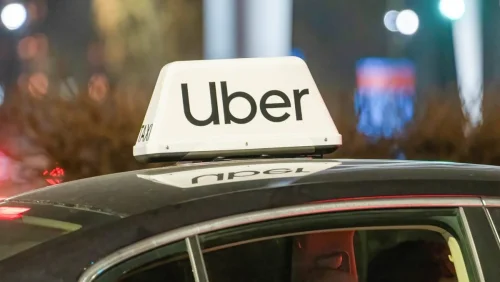
Uber has launched a new feature allowing customers to return eligible retail purchases directly from their homes, the company announced on Friday. The service, accessed through the Uber Eats application, represents the latest expansion beyond Uber's core ride-hailing and food delivery operations.
The returns process involves a variable courier fee based on time and distance. Initially, the service is limited to items purchased through Uber Eats from a specific list of partner retailers and is subject to each store's individual return policy.
Service Limitations and Process
Participating retailers at launch include At Home, Best Buy, Dick’s Sporting Goods, GNC, Michael’s, Pet Food Express, Pacsun, Petco, and Target, with Uber stating more will be added. A significant restriction is that only items with a retail value above $20 are eligible for return via this method.
To use the service, customers navigate to their order history in the Uber Eats app, select "Return an item," and choose the relevant purchase. The return is initiated by tapping "Return with a courier," offering an instant refund and bypassing the need to visit a physical store.
Context of Uber's Service Expansion
This is not Uber's first foray into package logistics. In 2020, the company launched Uber Connect, a peer-to-peer package delivery service, and Uber Direct for contactless retail deliveries during the COVID-19 pandemic.
Uber Connect was expanded in 2023 with a "Return a Package" feature, enabling customers to send up to five packages to postal carriers like UPS or FedEx via a gig worker. The new in-app returns service integrates this logistical capability directly into the consumer retail experience on Uber Eats.
Strategic Aim and Future Implications
Analysts suggest the primary objective is to increase "stickiness" and user engagement within the Uber ecosystem by making the app more integral to daily tasks. By simplifying the often cumbersome returns process, Uber aims to capture more customer time and transaction value.
The company has not released projections for the service's adoption but confirmed that expanding the retailer partnership list is a priority for the coming months. The success of this feature could signal further diversification of Uber's service portfolio beyond transportation.