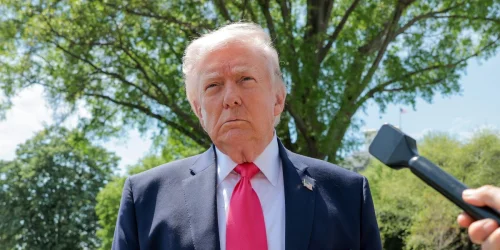
Imagine a fragile peace, just two weeks old, shattered by a single move. That's the precarious reality tonight as the world watches the US and Iran edge closer to the unthinkable. Why would Tehran risk it all now, and what does Donald Trump's chilling ultimatum mean for the price of oil and global stability tomorrow?
Peace talks to end the US-Iran war, set to resume on Monday in Islamabad, Pakistan, are now under severe threat. The crisis escalated over the weekend when Iran closed the strategic Strait of Hormuz in response to US blockades of its ports. In a dramatic response on Truth Social, President Trump warned that the US would attack Iran's "power plants and bridges" should the talks fail, accusing Tehran of a "serious violation" of the ceasefire.
A Strait Held Hostage: The Chokepoint That Could Strangle the World
This isn't just geopolitics; it's about the lifeblood of the global economy. The Strait of Hormuz is the narrow artery through which a massive portion of the world's oil and natural gas flows. Iran's military declared it had "returned to its previous state" and was under the "strict management and control" of its armed forces. But the US sees it differently.
Since the blockade began, American forces have forced 23 ships to turn around, patrolling the waters with warships like the USS Canberra. Iran's condition is simple: until the US ends restrictions on vessels moving to and from Iran, the strait "will remain tightly controlled." Opening it has been a central demand since the shaky ceasefire began.
"One Way or Another": The Bluff That Might Not Be a Bluff
Amid the sabre-rattling, a sliver of hope remains. Trump, according to reports, still believes he can get a deal. He was quoted as saying, "It will happen. One way or another. The nice way or the hard way." Yet, hours after his announcement, Iran's official news agency IRNA said it would not take part in the Monday talks, blaming "Washington's excessive demands."
The speaker of Iran's Parliament, Mohammad Baqer Qalibaf, summed up the dangerous duality of the moment in a televised address: Tehran is simultaneously engaged in diplomacy and ready for military confrontation. This is the tightrope the world now walks on.
The impact is immediate and tangible. Every day the strait is contested threatens to send shockwaves through energy markets, affecting everything from petrol prices to inflation worldwide. The final paragraphs of this story will be written not just in negotiation rooms in Islamabad, but in the actions of warships in the Arabian Sea and the decisions made in the corridors of power in Washington and Tehran. The path to peace has never looked more narrow, or more dangerous.