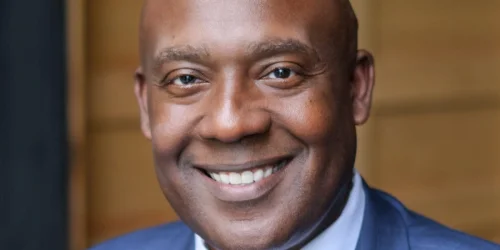
Imagine working tirelessly, leading your team to success, and then watching a promotion you deserved slip through your fingers. Not because you failed, but because of something you *didn't* say. This is the exact, painful lesson learned by a senior Bank of America executive, and it holds a mirror up to a career mistake almost everyone makes.
Bernard Hampton, a managing director at the banking giant, was passed over for a key role around 2010. The reason wasn't a lack of performance. It was a critical failure in communication—an assumption so common it’s almost invisible.
The Silent Assumption That Cost Him Everything
Hampton assumed his leader already knew about his extra efforts. He was secretly mentoring colleagues across the country and running peer-group sessions to elevate everyone's performance—the exact qualities the new role demanded. But he never mentioned any of it.
"My leader typically talked about performance and business planning, so that's what I talked about," he admits. In sticking to the script, he missed the chance to showcase his full value. The promotion went to someone else.
How One Brutal Disappointment Became a Career Superpower
That rejection forced a complete reorientation. Instead of blaming the company, Hampton asked the hard questions: "Where did this go wrong? What was my share of it?" The answer transformed how he operates.
He learned to weaponise his one-on-one meetings. No longer just a status update, they became a strategic tool to "paint the full picture" of his contributions. He now meticulously notes milestones that underscore his value, ready to present a powerful, composite view of his work at review time.
This shift didn't just win him the same role a year later—it built unshakeable career confidence.
The Humble Confidence You Need to Survive Modern Work
Hampton credits his mindset to a mantra from his mother: "You are no better than anyone else, but no one else is better than you." This blend of humility and confidence, he argues, is non-negotiable today.
"Humility keeps you learning and open to feedback. Confidence helps you take on stretch work and speak up," he says. In an era of rapid change, feedback isn't a weakness—it's the game. The professionals who continually ask for it and act on it are the ones who build credibility and accelerate ahead.
His story is a stark reminder: your hard work means nothing if it stays your secret. In the silence of assumed understanding, opportunities die. The lesson is clear for anyone aiming higher: speak your value, or watch it be overlooked.