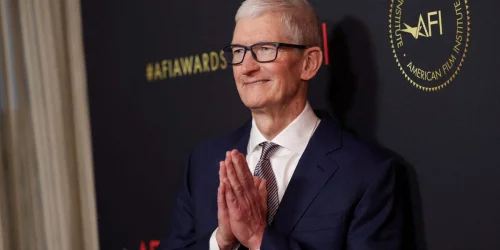
Imagine sitting across from one of the most powerful CEOs on the planet. He’s not shouting. He’s not grandstanding. He’s just asking questions. A quiet, endless barrage of them. This is the reality for Apple executives under Tim Cook, the man who didn't just fill Steve Jobs's shoes—he quietly built a $4 trillion empire his own way. As he prepares to step down, what is the real legacy of the world's most understated tech titan?
Cook’s 15-year run as CEO, ending this September when he becomes executive chairman, more than doubles the average tenure of an outgoing chief. His secret? A leadership style so deceptively simple it’s often misunderstood. Forget the rockstar founder archetype. Cook’s power lies in a relentless, forensic focus on the details that keep the iPhone machine humming.
The "Quiet Leader" Who Slices You Up With Questions
According to insiders, Cook has a reputation for grilling employees to the point of exhaustion. Greg Joswiak, Apple’s marketing chief, revealed the CEO will "slice you up with questions. You better know your stuff." This isn't about intimidation; it's a calculated strategy born from his days as COO, ensuring every cog in Apple's vast supply chain is flawless. It’s how he turned operational genius into a trillion-dollar advantage.
How He Built a $4 Trillion Empire By Not Being Steve Jobs
While others crumbled under the shadow of an iconic founder, Cook leaned into his own strengths. He scaled what worked, trusted his legendary hardware team, and masterminded a vertical integration that competitors envy. The result? Roughly 3 billion iPhones sold and a market value that soared from $300 billion to a staggering $4 trillion. "His greatest accomplishments are the financial evolution of the company and maintaining the iPhone's dominant walled garden," says Morningstar analyst William Kerwin.
The Diplomat Who Got Apple What It Wanted From Trump
Cook’s quiet diplomacy is another superpower. He was the only tech CEO to call Donald Trump personally, a relationship that later secured critical tariff exemptions for Apple products. His philosophy? "I actually think it's even more important to engage when there's disagreement," Cook told GQ. This pragmatic engagement, shunning public spats for private negotiation, has repeatedly protected Apple's bottom line.
The Private Man Who Made a Very Public Stand
For a notoriously private figure, Cook chose a powerful moment to step into the spotlight. In 2014, he became the first Fortune 500 CEO to come out as gay, hoping to "make a difference to kids" struggling with their identity. He has since used his platform to champion LGBTQ+ rights, criticising his home state of Alabama and calling for federal protections. It revealed a core principle: his minority status shaped a deeper empathy that informs both his leadership and advocacy.
What Cook's Legacy Means for Your Tech Future
As Cook passes the baton to hardware boss John Ternus, the question isn't about past glory—it's about the future he's engineered. While rivals spend eye-watering sums on AI, Cook's measured, long-game approach has always been Apple's hallmark. His true legacy is a colossal, self-sustaining ecosystem—from AirPods to iCloud—that keeps you locked in. The era of the quiet interrogator is ending, but the fortress he built will define your digital life for years to come.