Imagine a tiny, robotic boat, silently cutting through the Black Sea waves. Suddenly, a hatch opens on its deck. In a flash, a drone rockets into the sky, hunting its target. This isn't science fiction; it's a world-first combat tactic that just changed the game for Ukraine's defence.
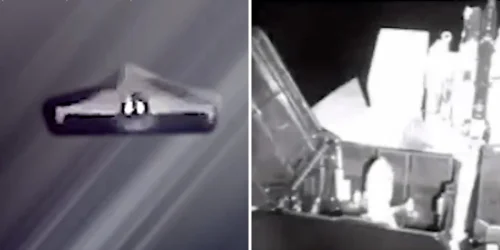
In a stunning display of ingenuity, Ukraine's Unmanned Systems Forces have destroyed a Russian Shahed attack drone by launching an interceptor drone from an uncrewed surface vessel. This marks a revolutionary fusion of naval and aerial drone warfare, born from sheer necessity on the frontlines.
The "Nemesis" Brigade's Historic Shot
The interception was carried out by the naval unit of the 412th Nemesis Brigade, footage of which shows the precise moment the interceptor, identified as a 'Sting' drone by manufacturer Wild Hornets, streaks towards the Shahed. "Incredible innovations roll out every day from Ukrainian defenders," a company representative declared.
This breakthrough is more than a tactical win; it's a strategic masterstroke in cost-effective defence. For months, Ukraine has been forced to choose between using multi-million pound air defence missiles on cheap Shahed drones or risking devastating attacks on its cities. Now, they've built a smarter solution from the sea.
Why This Changes Everything for the Black Sea
Hundreds of Shahed attacks on southern Ukraine are launched from occupied Crimea, their flight paths arcing directly over the Black Sea towards cities like Odesa. This new sea-based interceptor system creates a mobile, forward line of defence, picking off threats before they ever reach the coast.
It's a lesson forged in the fires of an asymmetric war. Lacking a traditional navy to challenge Russia's Black Sea Fleet, Ukraine turned robotic boats into a formidable naval force. Now, they've weaponised that innovation in a way the world is watching closely.
A Blueprint for Global Defence?
The timing of this revelation is critical. As the US and its allies scramble for affordable ways to counter Iranian drone attacks in vital shipping lanes like the Strait of Hormuz, Ukraine is suddenly the unlikely expert. On Monday, Ukraine's defence ministry pointedly encouraged allies to seek its hard-won expertise.
This sea-launched drone tactic proves that the most elegant solutions often come from the most desperate constraints. It doesn't just offer an additional layer of protection for Ukrainian cities; it provides a cheap, scalable blueprint for defending contested waters anywhere in the world. The era of integrated drone warfare has officially begun, and Ukraine is writing the first chapter.