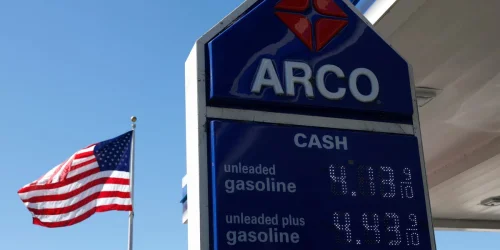
The national average price for a regular gallon of petrol in the United States has crossed the significant $4 threshold, reaching $4.018 on 31 March, according to data from the American Automobile Association (AAA). This marks a sharp increase from $3.99 the previous day and a substantial jump from $2.98 on 27 February.
The price surge is accelerating amid heightened geopolitical tensions in the Middle East, following US and Israeli airstrikes on Iran on 28 February. Disruptions to shipping through the Strait of Hormuz—a chokepoint for an estimated 20% of the world's oil supply—and ongoing attacks on regional production facilities have choked global supply.
Oil Markets Reach Multi-Year Highs
These supply constraints have pushed global oil benchmarks to their highest levels in years. Brent crude futures, the international standard, reached as high as $117 in trading on Monday, 30 March. The last time prices spiked above $100 per barrel was during the summer of 2022.
The impact within the US has been particularly acute in western states, where drivers from Washington to Arizona have been paying more than $4 per gallon since 12 March.
Seasonal and Economic Pressures Compound Issue
Seasonal dynamics are further pressuring consumers. Spring marks the annual transition to more expensive summer-grade petrol, coinciding with a ramp-up in demand ahead of the traditional driving season.
Retail analyst Carol Spieckerman told Business Insider that the economic impact of higher fuel costs is "far-reaching and underestimated." She explained that increased prices for airline tickets, groceries, and petroleum-based products disproportionately affect small businesses.
"If you're a specialty retailer in a single market, higher gas prices mean fewer shopping trips and more cautious spending when customers do show up," Spieckerman said. "By comparison, retailers like Walmart that serve as convenient one-stop shops and offer delivery in many areas will benefit. Amazon, which requires no travel at all, obviously gains ground."
Potential Relief and Ongoing Reality
Analysts note potential relief could come if geopolitical tensions ease, production increases, or governments opt to tap strategic petroleum reserves.
For now, American consumers are confronting a familiar strain on household budgets, with higher costs evident from the supermarket checkout to the petrol station forecourt.