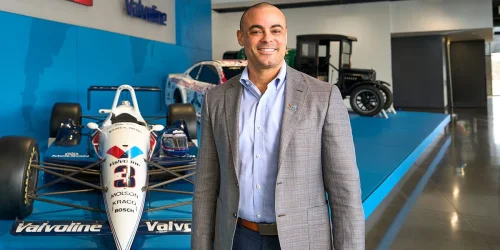
Valvoline Global, the 160-year-old motor oil and lubricant company, has launched its first-ever FIFA World Cup sponsorship, marking its largest global marketing campaign to date. The initiative, led by Chief Brand Officer Michael Kirtman, is designed to significantly boost brand awareness outside its traditional North American markets. This move follows the 2023 acquisition of Valvoline's global operations by Saudi oil company Aramco.
The campaign centres on a television and digital advertisement titled "The original motor oil for the driven," which depicts a father-daughter journey to a football match alongside other fans and the mechanics ensuring their vehicles run reliably. Kirtman stated the ad's goal is for consumers to understand Valvoline's role in ensuring worry-free travel.
Ambitious Goals on a Global Stage
The World Cup presents a massive marketing opportunity, with the World Advertising Research Centre predicting the tournament will drive a $10.5 billion surge in global advertising spend. FIFA reported that 5 billion people engaged with content from the 2022 Qatar World Cup, with over 1.4 billion viewers watching the final. Valvoline is allocating half of its media budget to television, with the remainder dedicated to digital channels, launching first in Mexico before rolling out in the US, China, India, and Saudi Arabia.
Michael Kirtman, a former Procter & Gamble marketer now three months into his role at Valvoline, described the campaign launch as a mix of "excitement" and "anxiousness." He emphasised that the ultimate measure of success will be concrete business outcomes. "I think impressions and clicks are vanity KPIs a lot of the time," Kirtman told Business Insider's CMO Insider. "They make us feel good, but rarely do they really correlate to real business." For Valvoline, success will be judged by sales, volume, and profit figures.
Navigating a Complex Geopolitical Climate
Kirtman acknowledged that the current geopolitical environment has been "top of mind" during campaign planning. Factors such as international travel safety concerns, rising oil prices due to conflict in the Middle East, and visa requirements could impact fan attendance. "Will there be some customers that make the choice not to come to the World Cup now? For sure," Kirtman said, adding that the strategy requires flexibility and constant monitoring of global data.
Despite these challenges, Kirtman stated there has been no temptation to reduce the World Cup advertising budget. He believes maintaining a prominent brand presence during uncertain times can be beneficial. "When you're a brand that has the pride to lean in during a time like this, I think it pays dividends to your stakeholders," he concluded. The campaign's focus remains on controlling elements like media channel selection and communication timing to navigate the volatile landscape.