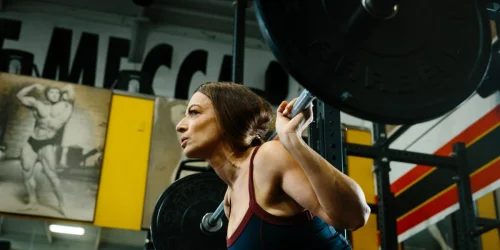
A growing number of women in high-pressure careers are turning to strength training, not just for physical fitness, but as a tool to build mental resilience, project confidence, and forge professional connections. This shift moves beyond traditional weight-loss goals towards a focus on empowerment and longevity, with gyms adapting to meet the demand.
For professionals like structured finance lawyer Deb Stern, lifting over 100 pounds in a back squat provides a mental reset from her demanding caseload and family life. "Now, no matter what gets thrown at me, I can handle it. Bring it on," Stern told Business Insider. The discipline required translates directly to her high-stakes legal work.
The New Status Symbol
In an era marked by the popularity of weight-loss drugs like GLP-1s, visible muscle built through consistent effort has become a new marker of discipline and ambition. "I think strong is the new skinny," said Jim Rowley, CEO of Crunch Fitness. Gyms are physically reshaping to accommodate this trend; Gold's Gym, for instance, has reduced cardio space by 15% while increasing strength equipment by 30%.
This trend is supported by research highlighting resistance training as a key anti-aging tool, with studies now specifically focusing on women's health. Personal trainer Kristie Larson noted the evidence for women's strength training is "unbelievable," helping to build bone health and muscle mass for long-term independence.
From the Gym to the Boardroom
The benefits extend beyond the physical. Former Fortune editor Pattie Sellers, who chaired the magazine's Most Powerful Women list, argues that physical and mental strength are non-negotiable for modern leadership. "You're simply not going to last if you are not strong physically, mentally, emotionally. It is too much of a pressure cooker world," Sellers said.
For executives like Sarah Robb-O'Hagan, whose career includes roles at Equinox and Nike, strength training provided crucial support, including after the birth of her second child. She links a strong body directly to professional capability: "Having a strong body equates to a strong mind, equates to me being able to handle the big life that I want to have."
Networking and "Gymtimidation"
The gym floor is becoming a new networking venue. Former Wall Street Journal reporter Anne Marie Chaker recalled a unique connection with a billionaire at a leadership conference, sparked by borrowing a resistance band in a hotel gym. "Lifting is a great equalizer," Chaker said, noting the career benefits she experienced, including a raise and better interview performance.
Despite growing interest, barriers remain. Larson identified a "demographic of high-achieving women" unsure where to start, leading her to open the women-focused Tension Strength gym in Brooklyn. She sees strength training as a safe space to practice resilience: "In strength training, confidence translates into all different areas of life because you understand it's safe to try."
Sellers frames this shift as women creating their own version of exclusive professional networks, akin to men's golf courses, to help close the gender gap in leadership. As of today, women hold just 10% of CEO positions in the Fortune 500.