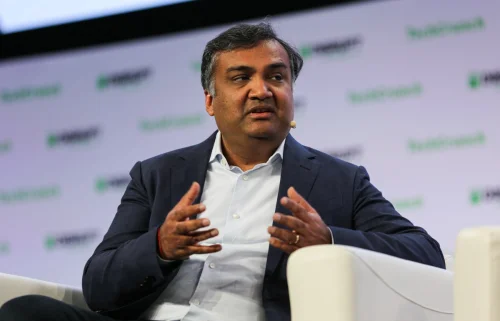
YouTube CEO Neal Mohan has stated he is unconcerned about rival streaming platforms luring away the service's most popular content creators. In a recent interview with *The New York Times*' series *The Interview*, Mohan expressed confidence that top YouTubers see the platform as their permanent home.
Mohan's comments directly address industry speculation about creators migrating to services like Netflix, which has acquired popular podcasts such as "The Breakfast Club" and "My Favorite Murder". He described this competition as "flattering", suggesting it confirms YouTube's position at the "center of culture".
Confidence in Creator Loyalty
Mohan asserted that, based on his conversations with creators, "no matter what they look to do, they understand that YouTube is their home." He emphasised a key distinction: "I have not come across YouTubers that have completely yanked their content off YouTube."
This stance reflects a belief in the platform's unique value proposition for creators, built on its massive audience and established monetisation ecosystem. The CEO suggested that even when creators negotiate with other platforms, those services ultimately "acquiesce to what our YouTubers... know is the right decision for them in the long term."
Context and Competitive Landscape
The interview itself was hosted on YouTube, a fact Mohan noted, underscoring the platform's pervasive reach. When questioned about comedian Conan O'Brien poking fun at YouTube during the Oscars, Mohan responded diplomatically, calling O'Brien "very funny" and noting his "Team Coco channel does really well on YouTube."
This episode highlights the ongoing tension and co-dependence between traditional media figures and digital platforms. While streaming services invest heavily in exclusive content, YouTube's model relies on a vast, open ecosystem of creator-driven channels.
Strategic Implications for the Industry
Mohan's confidence signals YouTube's strategic positioning against subscription-based rivals. The platform's business model differs fundamentally, generating revenue primarily through advertising shared with creators, rather than through direct subscriber fees.
Industry analysts note that while exclusive deals on other platforms can be lucrative, YouTube offers unparalleled scale and a direct path to a global audience. The CEO's remarks suggest YouTube believes this scale and community connection create a loyalty that mere financial incentives cannot easily break.
The broader media landscape continues to fragment, with platforms competing for both audience attention and creator talent. YouTube's response, as outlined by Mohan, is to reinforce its role as the indispensable home base for digital video, regardless of where creators may experiment elsewhere.