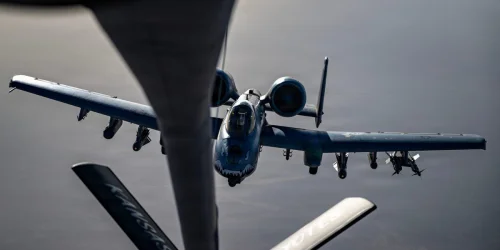
US Air Force A-10 Thunderbolt II attack aircraft, known as Warthogs, were deployed in a high-risk daylight mission to rescue the crew of a downed F-15E Strike Eagle in Iran last week. The mission, described as "incredibly dangerous" by Air Force Gen. Dan Caine, chairman of the Joint Chiefs of Staff, saw the aircraft penetrate enemy territory and engage in close combat to facilitate the rescue.
Gen. Caine confirmed the A-10s' involvement during a briefing on Monday, stating the task force "audaciously penetrated enemy territory in broad daylight" to retrieve the pilot and weapon systems officer. The operation marks the latest combat deployment for the ageing aircraft, which the US Air Force has repeatedly tried to retire from service.
The 'Sandy' Role in Combat Rescue
In the operation, the A-10s fulfilled the specialised "Sandy" role, a mission dedicated to combat search and rescue (CSAR). "A 'Sandy' has one mission: get to the survivor, bring the rescue force forward, and put themselves between that survivor on the ground and the enemy," Gen. Caine explained. The aircraft are tasked with locating downed personnel, coordinating the rescue, and suppressing enemy fire.
This role originated during the Vietnam War with the A-1 Skyraider and was later adopted by the A-10. During the Iran mission, the Warthogs were "violently suppressing and engaging the enemy in a close-in gunfight" to protect the rescue activities, according to the general.
An Aircraft Hit and a Pilot Safe
The intense mission was not without cost. One A-10 was hit by enemy fire during the engagement. The pilot managed to fly the damaged aircraft back into friendly airspace but determined it was not safe to land. The pilot ejected successfully and was recovered unharmed.
The CSAR package for such missions is complex, typically including HH-60 Pave Hawk rescue helicopters, HC-130 refueling tankers, fighter escorts, and intelligence assets, with the "Sandy" aircraft acting as the spearhead.
Retirement Plans and Political Lifelines
The successful mission highlights the ongoing utility of the A-10 even as the US Air Force actively seeks its retirement. The service argues the 1970s-era aircraft "does not deter or survive against our pacing challenge," a reference to near-peer adversaries like China. It is exploring whether the F-35A Lightning II stealth fighter can assume the A-10's close-air support duties.
However, Congressional intervention has repeatedly prevented the full retirement of the fleet, which currently numbers over 160 aircraft. Supporters contend no other platform can match the Warthog's unique capabilities, particularly its famed 30mm GAU-8 Avenger cannon and durability for low-altitude support.
Gen. Caine praised the performance, stating, "The A-10 force and the rescue force did a fantastic job." Earlier in the conflict, A-10s were also used to hunt Iranian fast-attack boats in the strategic Strait of Hormuz, demonstrating their continued operational relevance despite the long-standing retirement debate.